

Netanyahu Faces Coalition Challenges After Israeli Elections
Benjamin Netanyahu's coalition failed to secure a majority in Israel's recent elections, creating a potential path for opposition parties to form a government.

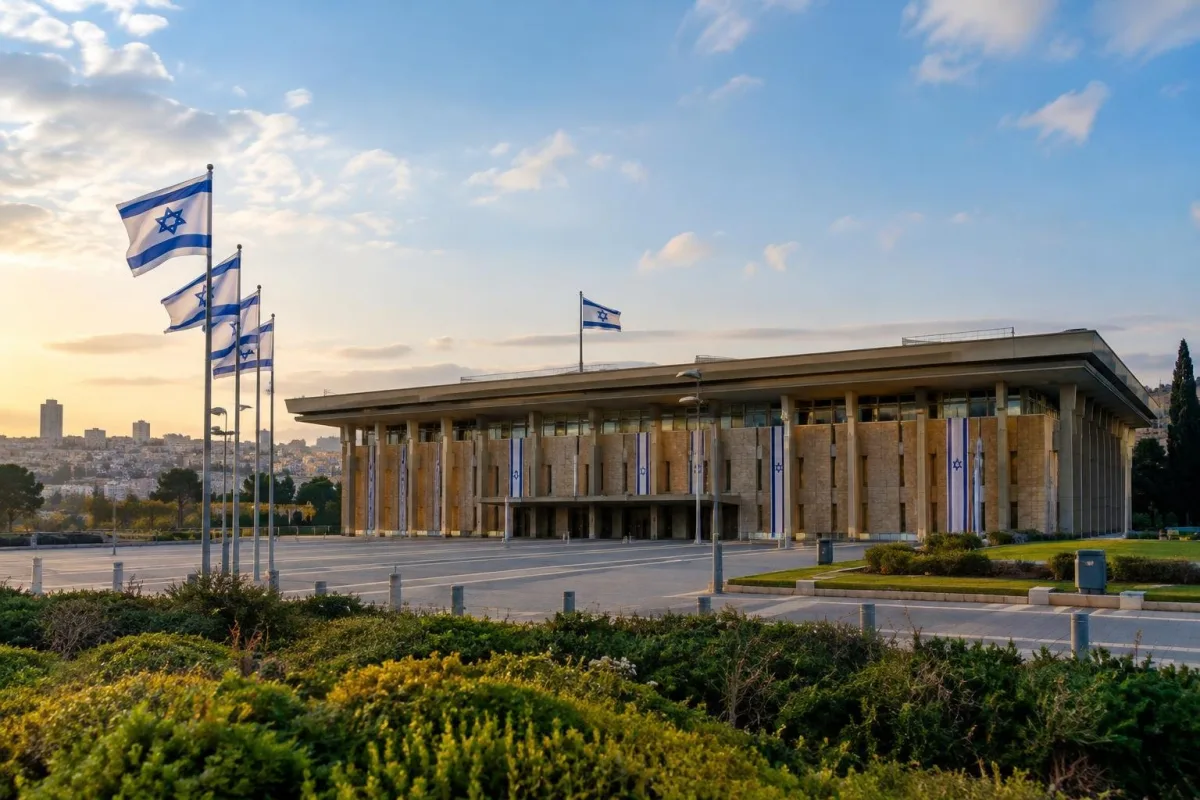
JERUSALEM, Oct 29: In the Israeli elections held on October 27, Benjamin Netanyahu faced a setback as his coalition secured 53 seats in the Knesset, falling short of the 61 needed for a majority. The Likud party, led by Netanyahu, retained 26 seats, down from 32 in the last election.
The opposition, headed by former military chief Gadi Eisenkot, is positioned to claim a majority with 48 seats across various Jewish parties. The Arab-led parties achieved unprecedented success with 19 projected seats, but most opposition leaders have ruled out forming a government with them.
The election served as a referendum on Netanyahu’s leadership, especially after recent conflicts involving Hamas and ongoing tensions in Gaza. Following the initial results, Netanyahu described his bloc as having a “great majority” and asserted that forming a government with anti-Zionist parties was unacceptable.
The election campaign centered on key issues, including security accountability after the October 7 attacks, military conscription for ultra-Orthodox citizens, and international relations. With a high voter turnout of 77.7%, the results reflect a deeply divided country.
Political analysts suggest that Netanyahu still has ways to prolong his tenure, potentially by leveraging the opposition’s reluctance to partner with Arab parties. Former general Gadi Eisenkot noted, “Netanyahu lost. I know how to count,” advocating for a coalition that includes Arab representation to emphasize unity.
Yousef Jabareen, leader of the Joint List, stressed the importance of partnership, stating that the change sought in government needs support from both Jewish and Arab citizens. Some analysts warn that Netanyahu’s campaign strategy, which framed Palestinian citizens as adversaries, could complicate future politics.
The process of forming a government will soon involve President Isaac Herzog consulting with party leaders. He expressed a desire to avoid a second election, acknowledging the electorate’s call for change.
As the final absentee ballots are counted, the political future remains uncertain, with both sides vying for coalition support amidst a charged atmosphere.
Sources

Bhupendra Singh Chundawat is a seasoned technology journalist with over 22 years of experience in the media industry. He specializes in covering the global technology landscape, with a deep focus on manufacturing trends and the geopolitical impact on tech companies. Currently serving as the Editor at Udaipur Kiran, his insights are shaped by decades of hands-on reporting and editorial leadership in the fast-evolving world of technology.