

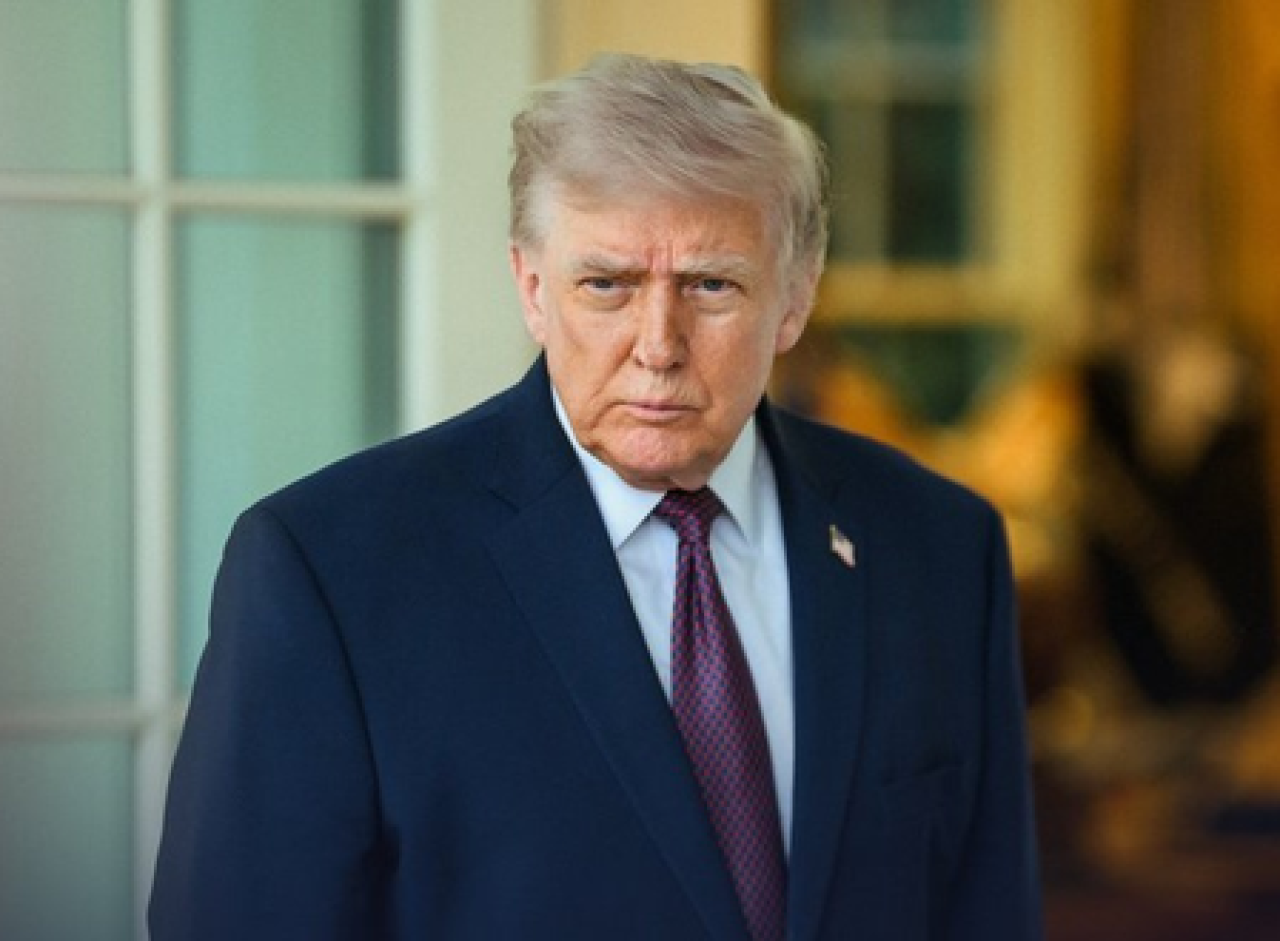

Washington, August 10: U.S. President Donald Trump has stated that negotiations with Iran are only proceeding in a “half-hearted” manner. According to a report by Axios, he indicated that he is currently more inclined to allow economic pressure on Iran to increase rather than initiate a new military campaign.
In a brief phone conversation with Axios, Trump remarked, “We are not making a big deal out of it,” adding that Iran’s economic condition is “very bad.”
The report also mentioned that an agreement regarding maritime traffic in the Strait of Hormuz is being prepared among Iran, Oman, and the U.S., which has been pending for several days.
According to the Chinese news agency Xinhua, Iran’s Foreign Minister Mohammad Javad Zarif stated on Saturday that Iran and Oman are very close to an agreement on establishing a temporary route for maritime traffic in the Strait of Hormuz.
Zarif emphasized on Sunday that negotiations between Iran and the U.S. cannot resume until the U.S. stops violating a recent memorandum of understanding (MOU) between the two countries.
Speaking to reporters during an event in Tehran, Zarif insisted that there are currently no ongoing talks between the two nations.
Earlier on Tuesday, Trump warned that if the Strait of Hormuz is not “opened very soon,” Iran would face “severe consequences.” In an interview with Fox News, Trump claimed that “very good talks” were taking place between the U.S. and Iran, a statement Tehran has rejected, asserting that no discussions are occurring with Washington.
Trump has previously warned Iran that he is giving them their “last chance,” claiming that talks regarding the opening of the Strait of Hormuz are ongoing and that it could “possibly open the very next day.”
In the Oval Office on Monday, he stated, “I mean, this matter will be resolved one way or another quickly. It’s not a very complicated issue.” He added, “We are discussing opening and keeping the Strait operational, and it could really happen by tomorrow.” However, Iran reiterated that no such discussions are taking place with the U.S.
Due to these conflicting claims, the future of this waterway, considered a major route for nearly 20% of the world’s fossil fuel transit, remains uncertain.

Bhupendra Singh Chundawat is a seasoned technology journalist with over 22 years of experience in the media industry. He specializes in covering the global technology landscape, with a deep focus on manufacturing trends and the geopolitical impact on tech companies. Currently serving as the Editor at Udaipur Kiran, his insights are shaped by decades of hands-on reporting and editorial leadership in the fast-evolving world of technology.