

Iran Strikes U.S. Military Radar in Bahrain, Claims Retaliation
Iran's Revolutionary Guard claims to have destroyed a U.S. radar in Bahrain, marking a significant escalation in tensions.

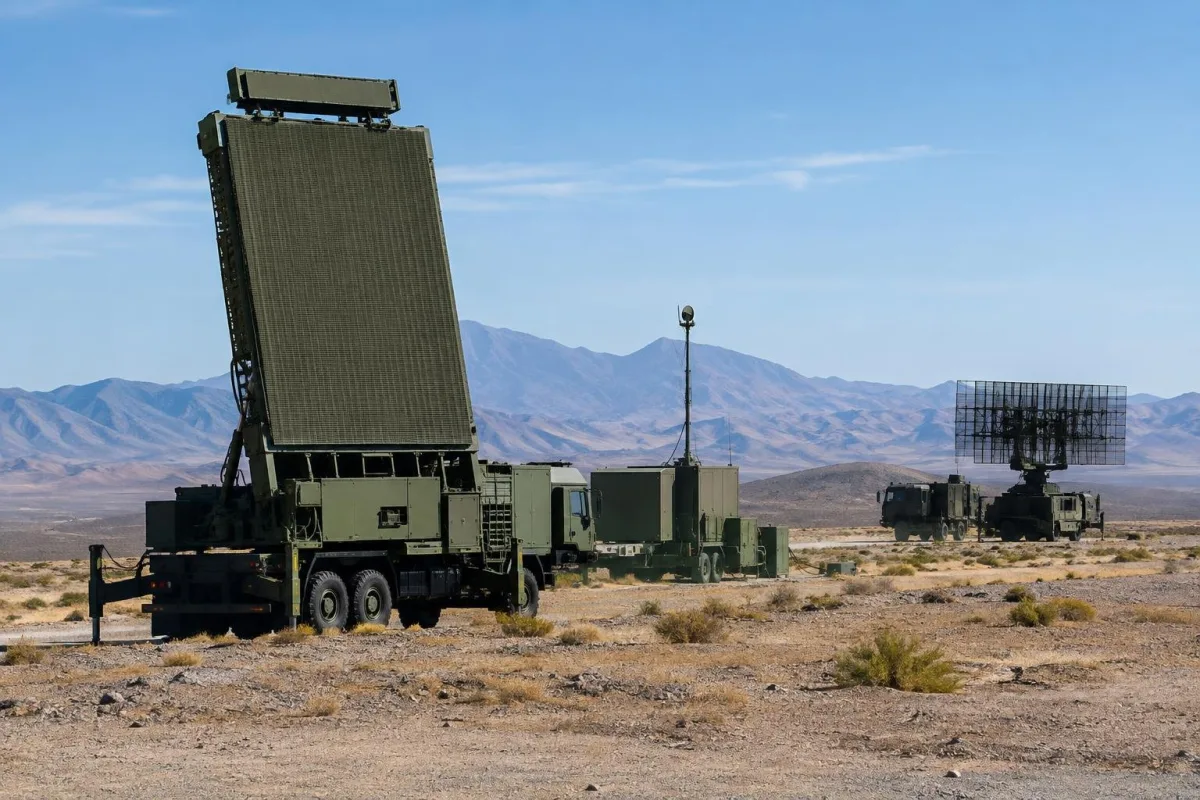
WASHINGTON, Nov 13: The Islamic Revolutionary Guard Corps (IRGC) stated it struck a U.S. military radar in Bahrain early Friday, characterizing the action as retaliation for a recent American airstrike on Iranian territory. This incident marks Iran’s first attack on a U.S. military facility in the Gulf in over two months.
According to the IRGC, the missile strike targeted the radar as a response to a U.S. attack on a communications tower in Sirik, southern Iran. The IRGC declared, “This is a serious warning to the aggressor enemy to end its aerial mischief and oil smuggling in the Strait of Hormuz.” U.S. Central Command (CENTCOM) later refuted Iran’s claims, asserting that no radar system was destroyed and that two Iranian drones approaching Bahrain were intercepted without any reported damage.
In recent weeks, U.S. forces have conducted strikes on Iranian positions near the Strait of Hormuz, described as defensive measures. These actions have coincided with a surge in maritime attacks in the critical waterway, with reports indicating 37 vessels were attacked in October alone.
The exchange of hostilities occurred shortly after U.S. President Donald Trump publicly distanced himself from negotiations with Iran, asserting that the U.S. no longer requires a deal. In a social media post, he stated, “We’ve got their money, Hundreds of Billions of Dollars, and we’ve got their Strait!” Trump ordered Vice President J.D. Vance to focus on domestic issues rather than negotiations with Iran, reflecting a shift in U.S. policy.
Iranian officials have expressed their determination to confront U.S. actions, with Major General Ali Abdollahi warning that any miscalculation would invite “devastating strikes.” Meanwhile, Iranian President Masoud Pezeshkian insisted that Iran is prepared to negotiate but emphasized the need for a resolution that respects its dignity.
The rising tensions in the region have led to increased scrutiny of Iran’s military posture and its nuclear ambitions. Iran’s Assembly of Experts has called for a review of the country’s defense doctrine, raising concerns about potential shifts in its nuclear policy amidst ongoing economic pressure from U.S. sanctions.