

ASEAN and China Fail to Finalize South China Sea Code of Conduct
ASEAN and China did not finalize a long-awaited code of conduct for the South China Sea during their recent summit in Manila.

MANILA, Nov 15: A proposed code of conduct for the South China Sea remains unfinished as ASEAN leaders convened in Manila, failing to reach a consensus during their annual meeting. Analysts indicated that this development reflects ongoing challenges in negotiations that have persisted for over 20 years.
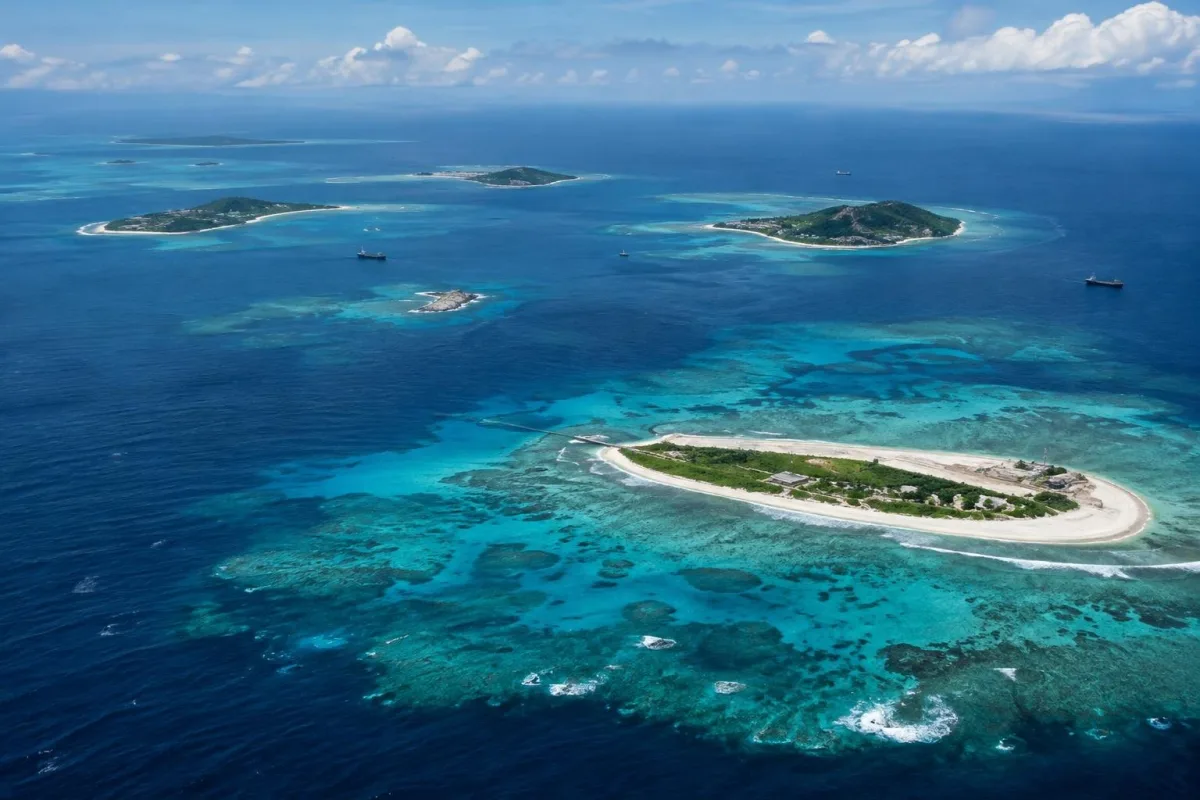
The code of conduct aims to manage rising tensions and prevent conflicts in the strategically significant waters, where China claims nearly all territory despite a 2016 international ruling disputing this assertion. Philippine Foreign Secretary Maria Theresa Lazaro stated that while 80% of the document is complete, some key issues remain unresolved.
Contentious points include the geographical scope of the agreement. Lazaro noted, “There are some salient points that still need to be ironed out.” The Philippines, along with Vietnam, Malaysia, Brunei, and Indonesia, has overlapping claims in the region, which complicates the discussions.
Philippine President Ferdinand Marcos Jr. emphasized the need for a substantive code of conduct that adheres to international law, specifically the United Nations Convention on the Law of the Sea (UNCLOS). In remarks at the summit, he said maritime cooperation among ASEAN members is crucial for regional peace and security.
India reiterated its stance that any agreement must respect international maritime law, reflecting widespread calls for adherence to UNCLOS principles in the negotiations. Rudrendra Tandon, Secretary in India’s Ministry of External Affairs, emphasized the importance of these waters, stating, “Whatever code of conduct is developed must be compliant with international maritime law.”
Negotiations between ASEAN and China have reportedly seen progress with multiple rounds this year, but an agreement was unlikely to be finalized by the year’s end, according to officials.
While diplomatic efforts continue, some analysts speculate that rising geopolitical tensions and competing national interests could hinder the prospect of reaching an effective code of conduct. Aries Arugay, a political scientist, noted that the negotiations have exposed divisions within the Philippine government regarding its approach to China.
The recent rounds of dialogue have been marred by heightened tensions, including confrontations at sea and sharp exchanges between officials from both nations. Both sides are striving to balance national interests with the need for regional stability.
As the summit progresses, the focus on maritime cooperation reveals the complexities involved in resolving the South China Sea disputes amid evolving geopolitical challenges.