

New Delhi – March 23, 2025 – Hyundai continues to raise the bar in India’s mid-size SUV segment with the Hyundai Alcazar, a premium 7-seater SUV that combines elegance, performance, and practicality at a competitive price point. Backed by Hyundai’s reputation for reliability and innovation, the Alcazar is quickly becoming a household favorite for Indian families seeking luxury and versatility without stretching their budget.
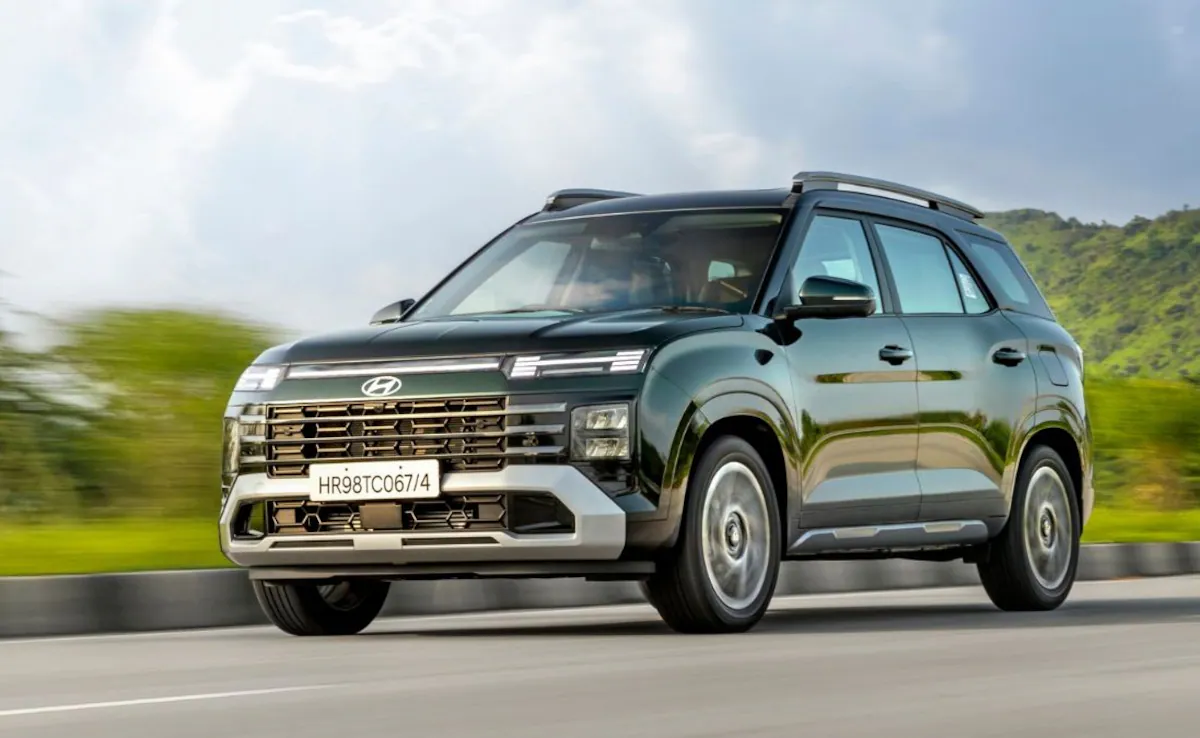

Let’s dive deep into what makes the Hyundai Alcazar a standout choice in the SUV market.
🚗 Hyundai Alcazar Interior: Comfort Meets Sophistication
The moment you step inside the Alcazar, you’re greeted by a refined and spacious cabin that embodies luxury.
-
Soft-touch leather-finished dashboard
-
Ventilated front seats with electric adjustment for enhanced driver and passenger comfort
-
Dual-zone automatic climate control for optimal cabin temperature
-
Ambient lighting system that elevates the cabin ambiance, especially at night
-
8-speaker premium sound system by BOSE for crystal-clear music playback
-
Wireless Android Auto & Apple CarPlay compatibility
-
Large touchscreen infotainment system with built-in navigation
-
Multiple USB charging ports and wireless charging tray
-
Second-row captain seats (in select variants) for first-class comfort
-
360-degree surround view monitor for effortless parking and maneuvering
-
Panoramic sunroof (available in higher trims)
The Alcazar is designed for families who value comfort, connectivity, and smart technology. Its 7-seat configuration also comes with a foldable third row, making it flexible for both people and luggage.
🔧 Engine and Performance: Petrol & Diesel Options
Hyundai offers the Alcazar in both petrol and diesel engine options, catering to a wide range of driving preferences.
🔹 Diesel Variant:
-
Engine: 1.5-litre U2 CRDi turbocharged diesel
-
Power Output: 114 bhp
-
Torque: 250 Nm
-
Transmission: 6-speed manual or 6-speed automatic
-
Drivetrain: Front-Wheel Drive (FWD)
🔹 Petrol Variant:
-
Engine: 1.5-litre T-GDi turbo petrol
-
Power Output: 158 bhp
-
Torque: 253 Nm
-
Transmission: 6-speed manual or 7-speed DCT (Dual Clutch Transmission)
-
Drivetrain: Front-Wheel Drive (FWD)
The petrol variant offers a smooth and punchy ride—perfect for city and highway drives—while the diesel variant is tuned for better torque delivery and fuel efficiency, making it ideal for long-distance cruising.
🛡️ Safety Features
Hyundai has equipped the Alcazar with a robust suite of safety technologies to ensure maximum passenger protection:
-
6 Airbags (front, side & curtain)
-
Electronic Stability Control (ESC)
-
Hill-Start Assist Control (HAC)
-
All four disc brakes for effective stopping power
-
TPMS (Tire Pressure Monitoring System)
-
ISOFIX child seat mounts
-
Front & rear parking sensors
-
Rear-view camera with dynamic guidelines
💸 Hyundai Alcazar Price in India (On-Road, Delhi)
The Hyundai Alcazar is offered in multiple trims, giving buyers the flexibility to choose based on their budget and feature requirements.
Ex-Showroom Price Range: ₹14.99 lakh – ₹21.70 lakh
On-Road Delhi Prices:
-
Base Petrol Variant: ₹17.31 lakh (approx.)
-
Base Diesel Variant: ₹18.86 lakh (approx.)
The Alcazar sits perfectly between the Creta and Tucson in Hyundai’s SUV lineup, offering a premium experience at a reasonable price tag.
⛽ Mileage and Efficiency
Hyundai claims impressive mileage figures, further adding to the Alcazar’s practicality:
-
Diesel Variant: Up to 18 km/l
-
Petrol Variant: Up to 16 km/l
These numbers make the Alcazar one of the more fuel-efficient 7-seater SUVs in its class.
🛞 Ride Quality and Handling
Thanks to its well-tuned suspension setup, the Alcazar handles Indian roads with ease. Whether it’s potholes in the city or undulating highways, the SUV delivers a plush and stable ride.
The inclusion of alloy wheels and wide-profile tires provides both aesthetics and superior grip.

Bhupendra Singh Chundawat is a seasoned technology journalist with over 22 years of experience in the media industry. He specializes in covering the global technology landscape, with a deep focus on manufacturing trends and the geopolitical impact on tech companies. Currently serving as the Editor at Udaipur Kiran, his insights are shaped by decades of hands-on reporting and editorial leadership in the fast-evolving world of technology.