

Cold Wave Intensifies in Rajasthan as Icy Winds Sweep State

Jaipur, 13 November (Udaipur Kiran)। Icy winds continued to grip Rajasthan, increasing the intensity of the cold wave across several districts. According to the Meteorological Department, the chilly conditions are expected to persist for the next four days.
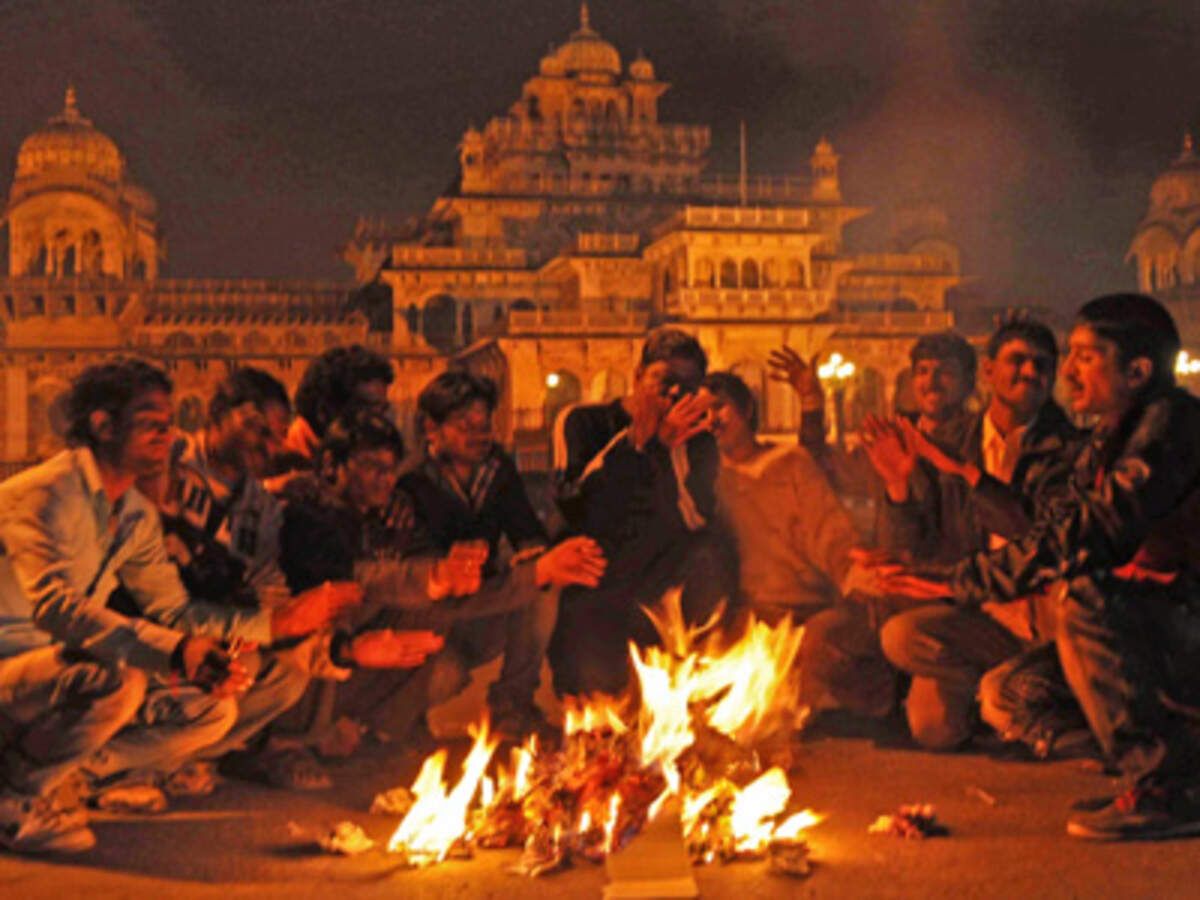
In Sikar, where the cold wave was already active, its impact has now extended to Jhunjhunu. Both Jhunjhunu and nearby areas experienced biting cold winds during morning and evening hours. The weather department has issued a yellow alert for Sikar and Jhunjhunu districts.
As per the latest weather report, nine cities in the state recorded minimum temperatures in single digits over the last 24 hours. Sirohi remained the coldest, with the minimum temperature dropping to 7.5°C on Wednesday.
Other minimum temperatures recorded were: Fatehpur (Sikar) 8.8°C, Nagaur 8.7°C, Sikar 8.3°C, Alwar 9.2°C, Vanasthali (Tonk) 9.4°C, Churu 9.5°C, Baran 9.3°C and Karauli 9.6°C.
Despite the chill in the mornings and evenings, bright sunshine during the day brought some relief. Most cities in Rajasthan recorded maximum temperatures between 28°C and 31°C.
On Wednesday, Barmer recorded the highest temperature at 32.9°C. Other major temperatures included: Jaisalmer 31.4°C, Jodhpur 31°C, Pilani 31.2°C, Vanasthali (Tonk) 30.6°C, Chittorgarh and Bikaner 30.2°C, Phalodi 30.8°C, Churu and Jalore 30.9°C, Nagaur 29.7°C, Baran 29.1°C, Sri Ganganagar 28.2°C, Udaipur 28.6°C, Kota 29.5°C, Sikar 27.8°C, Jaipur 29.2°C and Ajmer 29.8°C.
The IMD has forecast that cold winds will continue to blow across northern Rajasthan over the next four days, with minimum temperatures likely to fall by 1–2°C. Residents have been advised to take necessary precautions during early mornings and late evenings.

Bhupendra Singh Chundawat is a seasoned technology journalist with over 22 years of experience in the media industry. He specializes in covering the global technology landscape, with a deep focus on manufacturing trends and the geopolitical impact on tech companies. Currently serving as the Editor at Udaipur Kiran, his insights are shaped by decades of hands-on reporting and editorial leadership in the fast-evolving world of technology.