

West Bengal Election: ₹327.44 Crore Worth of Illegal Goods Seized

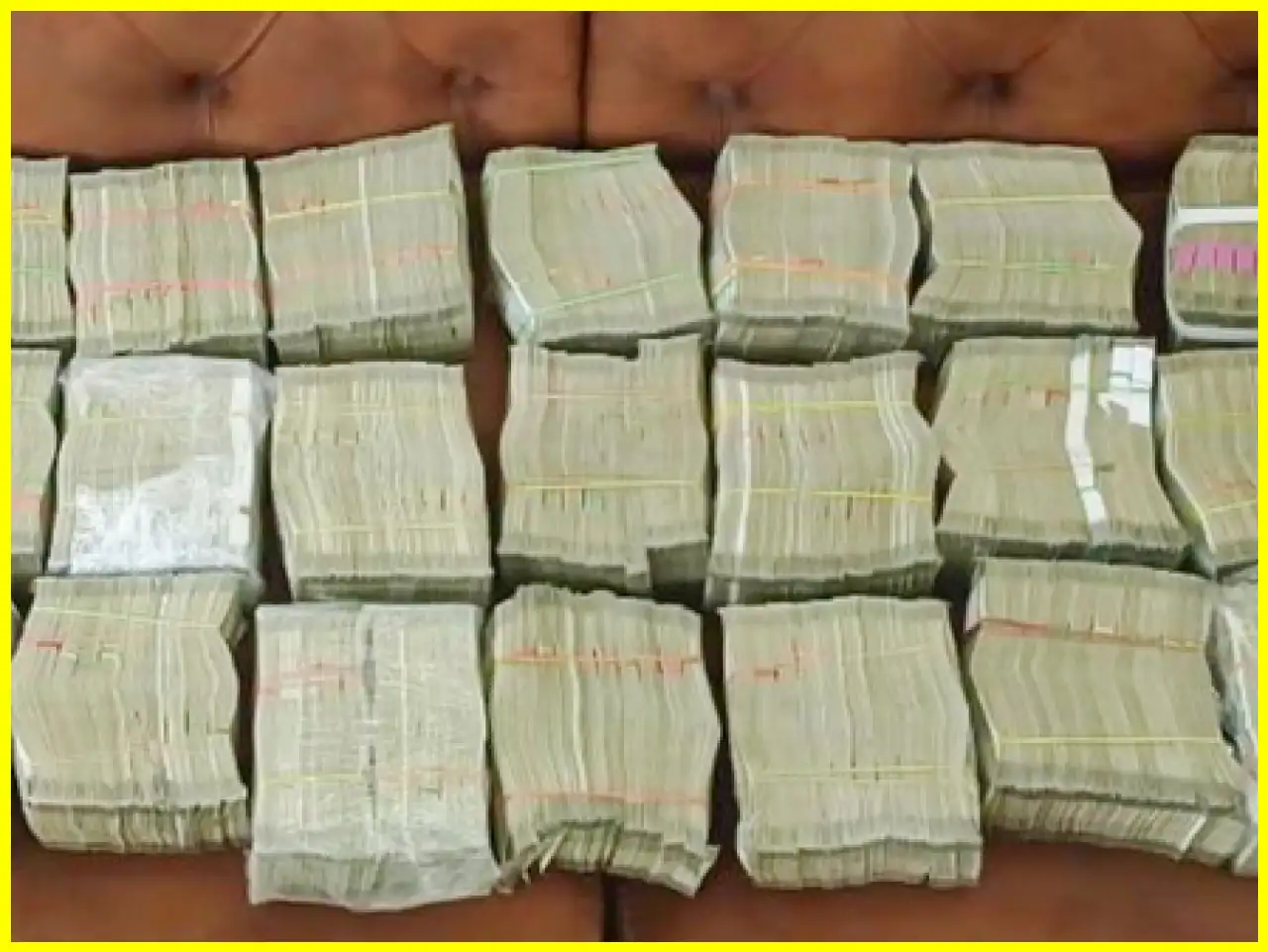
Kolkata, April 8: The Election Commission of India reported on Tuesday that illegal and unauthorized goods worth approximately ₹327.44 crore were seized in West Bengal between February 26 and April 6. The state is preparing for a crucial two-phase assembly election scheduled for later this month.
The office of the Chief Electoral Officer of West Bengal released a press statement detailing the seized illegal items. According to the statement, a total of ₹11.01 crore worth of illegal goods were confiscated, including illegal liquor valued at ₹57.71 crore and narcotics worth ₹67.35 crore. Precious metals seized during this period were valued at ₹38.55 crore, while other items amounted to ₹162.80 crore.
As of April 4, the state has also confiscated 251 unlicensed firearms and ammunition, totaling 401 cartridges. Additionally, 127.7 kilograms of explosives and 887 bombs were seized.
The state CEO’s office has launched a comprehensive campaign to remove unauthorized political advertisements. The statement further emphasized, “The ECI is committed to ensuring that elections in all 294 assembly constituencies in West Bengal are conducted with the highest standards of transparency, fairness, and security. Voting is scheduled for April 23 and April 29.”
Security measures for the upcoming assembly elections are exceptionally stringent, with the largest deployment of paramilitary forces to date. Approximately 2,400 companies of paramilitary personnel, totaling around 240,000 troops, have been deployed across the state. This deployment is more than double that of the previous elections, reflecting the administration’s seriousness regarding security.
Notably, a record number of female security personnel have also been deployed, with around 20,000 women paramilitary troops, equivalent to about 200 companies, assigned to election duties.

Bhupendra Singh Chundawat is a seasoned technology journalist with over 22 years of experience in the media industry. He specializes in covering the global technology landscape, with a deep focus on manufacturing trends and the geopolitical impact on tech companies. Currently serving as the Editor at Udaipur Kiran, his insights are shaped by decades of hands-on reporting and editorial leadership in the fast-evolving world of technology.