Vivo Y38 5G with Qualcomm Snapdragon 4 Gen 2 SoC, IP64 rating listed online
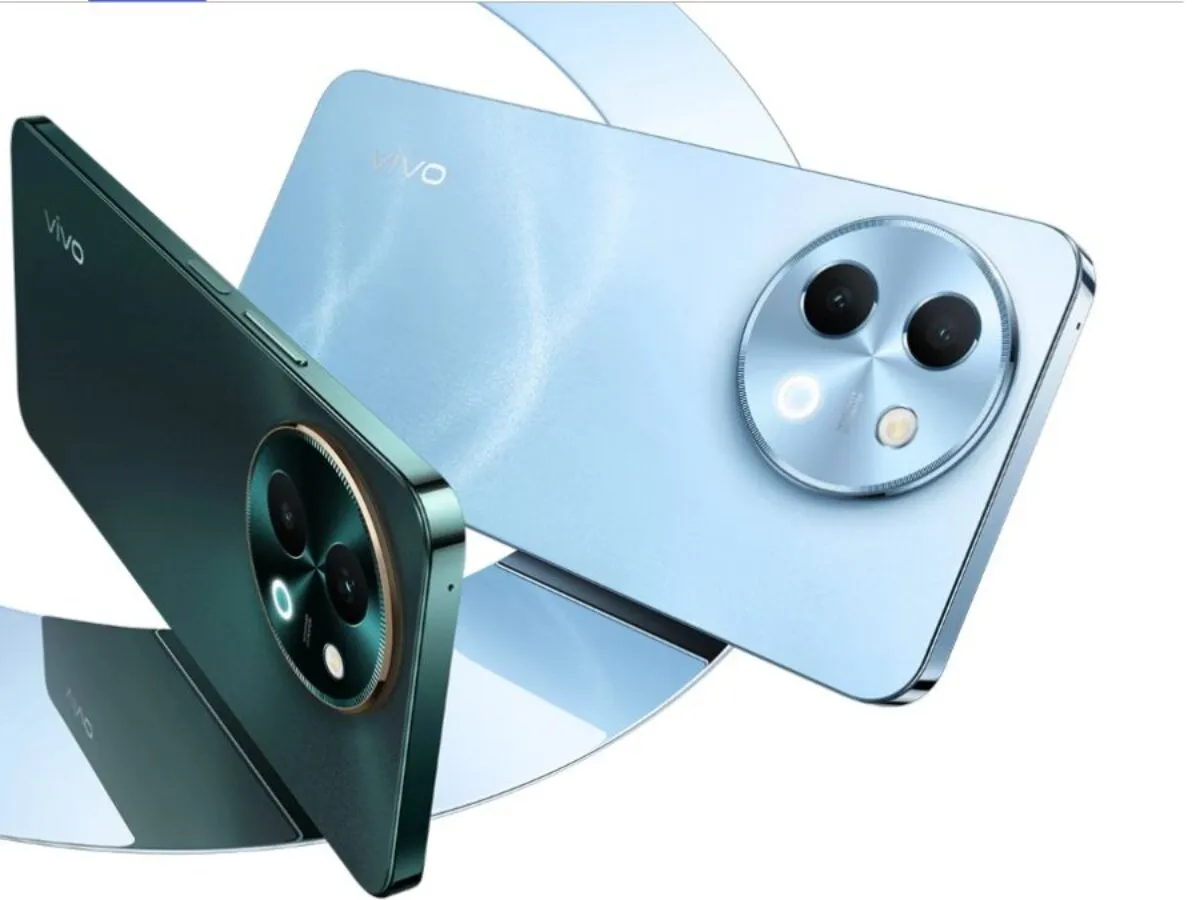
Vivo Y38 5G has been listed online in Taiwan. Although it was mentioned on the company’s website, Vivo did not announce the launch. On the back of the smartphone there is a large circular camera module with two sensors and an LED flash. T
he module is located in the upper left corner of the back wall. It appears to have a display with narrow bezels, a fairly thick chin, and a hole-punch notch in the middle to house the front-facing camera sensor.
The Vivo Y38 5G is listed in two color options: Dark Green, Black and Ocean Blue (translated from Chinese) and only in the 8GB + 256GB configuration. The price of this device has not yet been announced.

Vivo Y38 5G specifications and features
According to the listing, the Vivo Y38 5G features a 6.68-inch HD+ (1612 x 720 pixels) LCD display with a refresh rate of 120Hz and a pixel density of 264ppi. This phone supports Qualcomm’s Snapdragon 4 Generation 2 chip along with 8GB of LPDDR4X RAM and 256GB of UFS2.2 internal storage. Support for expanding storage space up to 1TB via microSD card. The device runs FuntouchOS 14 based on Android 14.
As for the optics, the Vivo Y38 5G features a dual rear camera system with a 50-megapixel main sensor and a 2-megapixel depth sensor along with an LED flash. The front camera is said to have an 8-megapixel sensor.
The Vivo Y38 5G is powered by a 6,000mAh battery that supports 44W wired fast charging. Dual SIM phones have a dedicated microSD card slot. It supports 5G, 4G, Wi-Fi 5, Bluetooth 5.1, OTG, GPS, NFC and USB Type-C connections. For security reasons, the fingerprint identification sensor is embedded next to it. The phone is also IP64 certified.
The dimensions of the Dark Green Black variant of the Vivo Y38 5G are 165.70 x 76.00 x 7.99 mm, while the thickness of the Ocean Blue version is 8.09 mm. The weight of all versions of this model is 199 grams.

Bhupendra Singh Chundawat is a seasoned technology journalist with over 22 years of experience in the media industry. He specializes in covering the global technology landscape, with a deep focus on manufacturing trends and the geopolitical impact on tech companies. Currently serving as the Editor at Udaipur Kiran, his insights are shaped by decades of hands-on reporting and editorial leadership in the fast-evolving world of technology.