

Trump Questions Midterm Election Legitimacy, Revives Fraud Claims
Trump has raised questions about the honesty of midterm elections, contradicting his earlier acceptance of results and reviving claims of fraud.

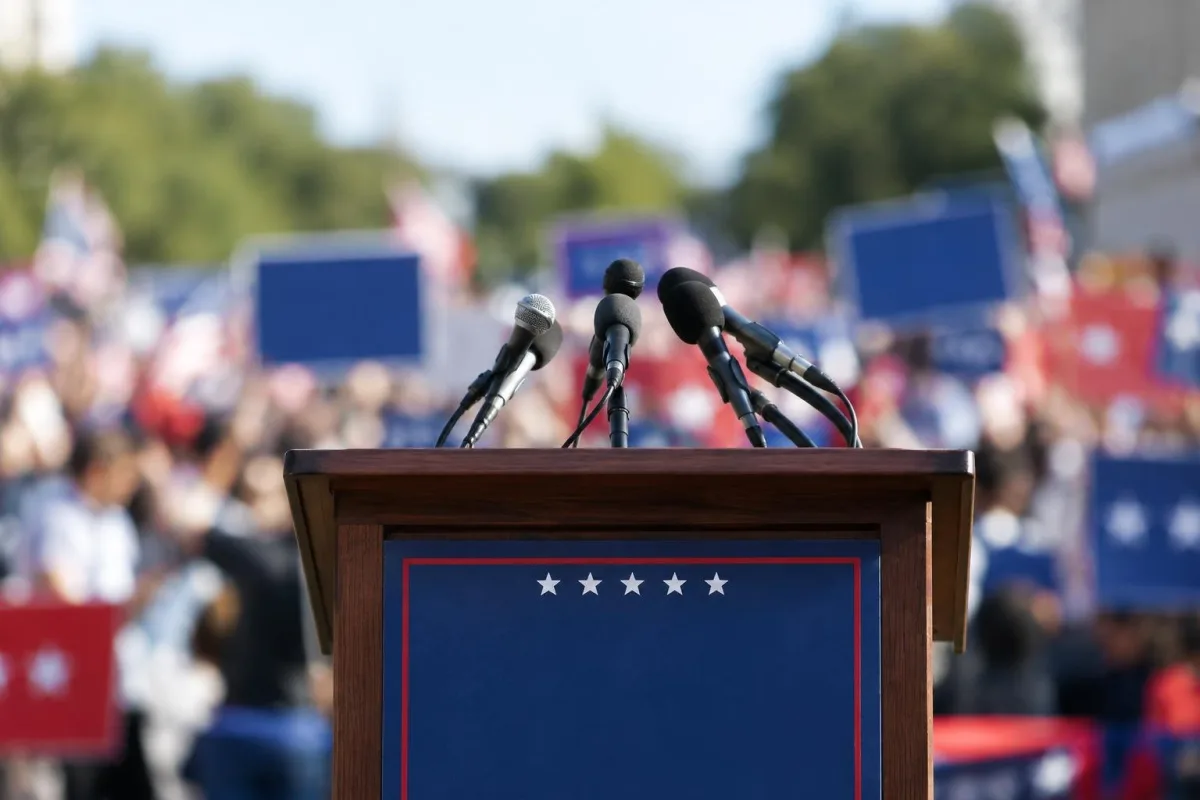
NEW YORK, Nov 10: Donald Trump has questioned the legitimacy of the recent midterm elections, where Republicans faced significant losses, days after initially agreeing to accept the outcome. On Monday, he posted on Truth Social, asking, “Does anybody really believe that this ‘Election’ was honest?” This statement contradicts his earlier comments to the New York Times, where he expressed his willingness to accept the results.
In the midterms, Democrats regained control of both the House and Senate. They have secured 54 Senate seats and 254 House seats, providing them with comfortable majorities as vote counting continues in several key races.
Trump’s recent remarks included unverified claims about polling discrepancies, voting irregularities, and the integrity of voting machines. Charles Stewart III, a political scientist at MIT, stated that reports of vote counts followed standard patterns and emphasized the smoothness of the electoral process, noting that local election officials should be trusted to manage the counting accurately.
On election night, Trump acknowledged the potential for cooperation with Democrats, stating, “We’ll probably work something out,” reflecting a more conciliatory tone. However, he later attributed the Republican defeats to his absence from the ballot, claiming, “If I was on the ballot, we would have won easily.” He explained that some candidates did not resonate with voters.
Trump further attributed the losses to factors such as the ongoing Iran war and its impact on gasoline prices, saying both were significant in shaping voter sentiment. “People agree with what I’m doing on Iran, but they really probably weren’t willing to do the short-term consequences of paying more for gasoline,” he noted.
As part of the backlash, Vice President JD Vance echoed Trump’s sentiments, suggesting that the political situation surrounding Israel and the Iran conflict contributed to Republican losses. Trump accepted Vance’s diagnosis that the war and economic implications were detrimental to the party’s performance.
Throughout the election cycle, Trump expressed doubts about the integrity of elections he lost, particularly the 2020 presidential election, without providing clear evidence. Local and state officials reported a largely smooth electoral process, with only minor issues in some areas.
Election law experts have raised concerns over the rising skepticism regarding election outcomes, urging trust in the electoral process. Ruth Greenwood from Harvard Law School reiterated that delays in ballot counting do not imply wrongdoing, but reflect the complexities of election laws.
Amid the Republican losses, discussions about bipartisan cooperation emerged, as Trump noted his ability to veto legislation, emphasizing the necessity for Democrats to work with him moving forward.
As the political dynamics evolve, Trump’s statements signal an ongoing dialogue on election integrity and party strategy following significant electoral challenges.
Sources

My name is Kuldeep Singh Chundawat. I am an experienced content writer with several years of expertise in the field. Currently, I contribute to Daily Kiran, creating engaging and informative content across a variety of categories including technology, health, travel, education, and automobiles. My goal is to deliver accurate, insightful, and captivating information through my words to help readers stay informed and empowered.