

Saudi Arabia, Pakistan, Turkiye meet Iran leaders in Tehran to ease tensions
Top officials from Saudi Arabia, Pakistan, and Turkiye met with Iranian leaders to discuss escalating regional tensions and security issues.

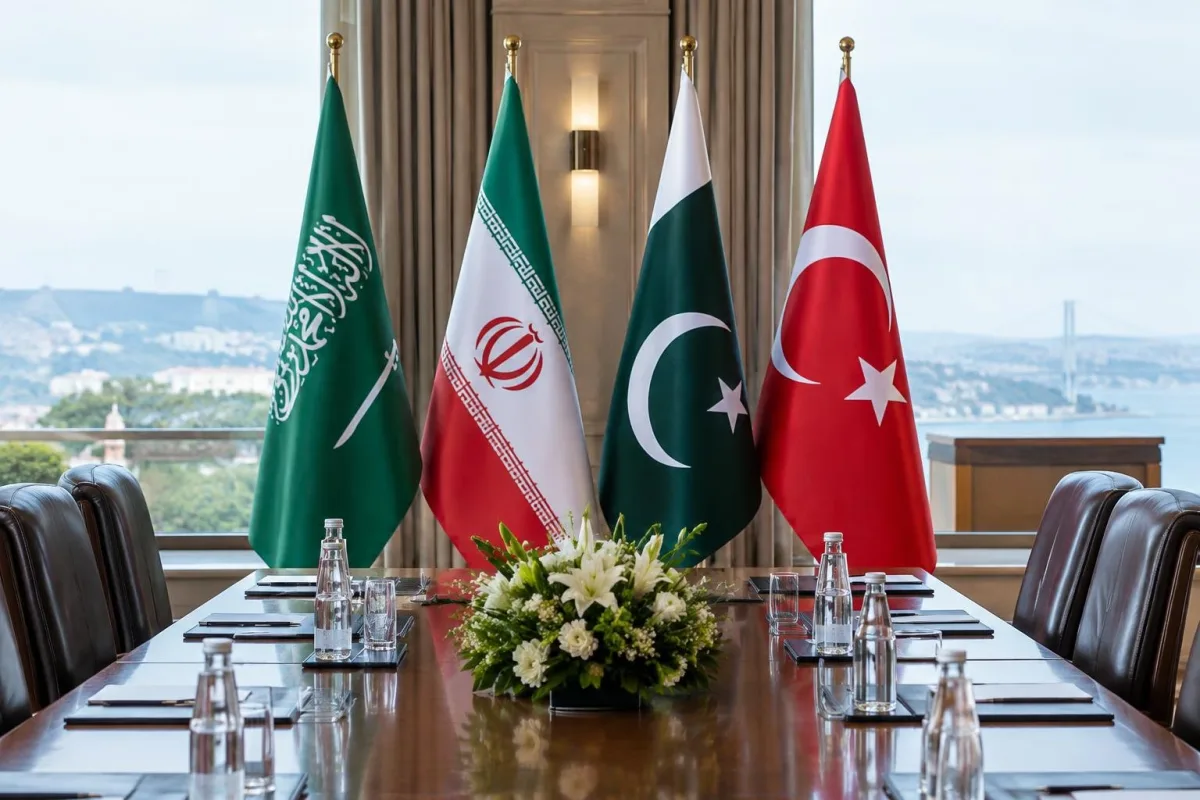
TEHRAN, Oct 27: Top security officials from Saudi Arabia, Pakistan, and Turkiye held discussions in Tehran on Monday, seeking to address escalating tensions involving the U.S. and Iran, as well as conflict in Yemen. Saudi Defence Minister Khalid bin Salman, Pakistani military chief Asim Munir, and Turkish intelligence chief Ibrahim Kalin met with Iran’s President Masoud Pezeshkian and national security chief Mohsen Rezaei.
This meeting marks a moment for high-level dialogue between Iran and the countries involved in the Mecca Joint Defence Agreement, amidst fears of possible U.S. military actions. The Saudi Foreign Ministry described the talks as efforts to de-escalate tensions and promote diplomatic solutions, emphasizing the need for positive engagement.
The Iranian Foreign Ministry spokesperson, Esmaeil Baghaei, said that regional security depends on the nations within the area, not external entities. The discussions are likely to focus on Houthi missile and drone attacks on Saudi Arabia, which have increased in recent weeks.
Ayesha Siddiqa, a senior research fellow at King’s College London, noted the challenge of military engagement with the Houthis, while asserting that Saudi Arabia is pressing for more from its allies amid ongoing threats.
Umer Karim, a Saudi foreign policy researcher, expressed skepticism about the meetings reducing the risk of renewed conflicts, stating that these talks are more about securing Saudi interests rather than offering effective leverage against Iran’s strategic decisions.
As tensions flare, the U.S. Department of State has ordered nonemergency personnel to leave Saudi Arabia due to the Houthi threats. Simultaneously, geopolitical uncertainty is influencing oil prices, with Brent crude futures falling after the Tehran meetings.
CNN reported that the U.S. has positioned sufficient military forces for potential strikes, raising concerns that renewed offensives would invite Iranian retaliation. Analysts assert that although diplomatic engagement is increasing, the likelihood of achieving significant agreements remains low.
Hamidreza Azizi from the International Crisis Group noted that the timing of the Tehran talks and the officials involved reflect the immediate need for resolution amidst the risk of conflict escalation.

My name is Kuldeep Singh Chundawat. I am an experienced content writer with several years of expertise in the field. Currently, I contribute to Daily Kiran, creating engaging and informative content across a variety of categories including technology, health, travel, education, and automobiles. My goal is to deliver accurate, insightful, and captivating information through my words to help readers stay informed and empowered.