MP Mannalal Rawat Welcomes Wakf Amendment Bill Provision Barring Wakf Declaration in Tribal Areas
Significant Legislative Move to Protect Tribal Land, Culture Under Schedule 5 and 6
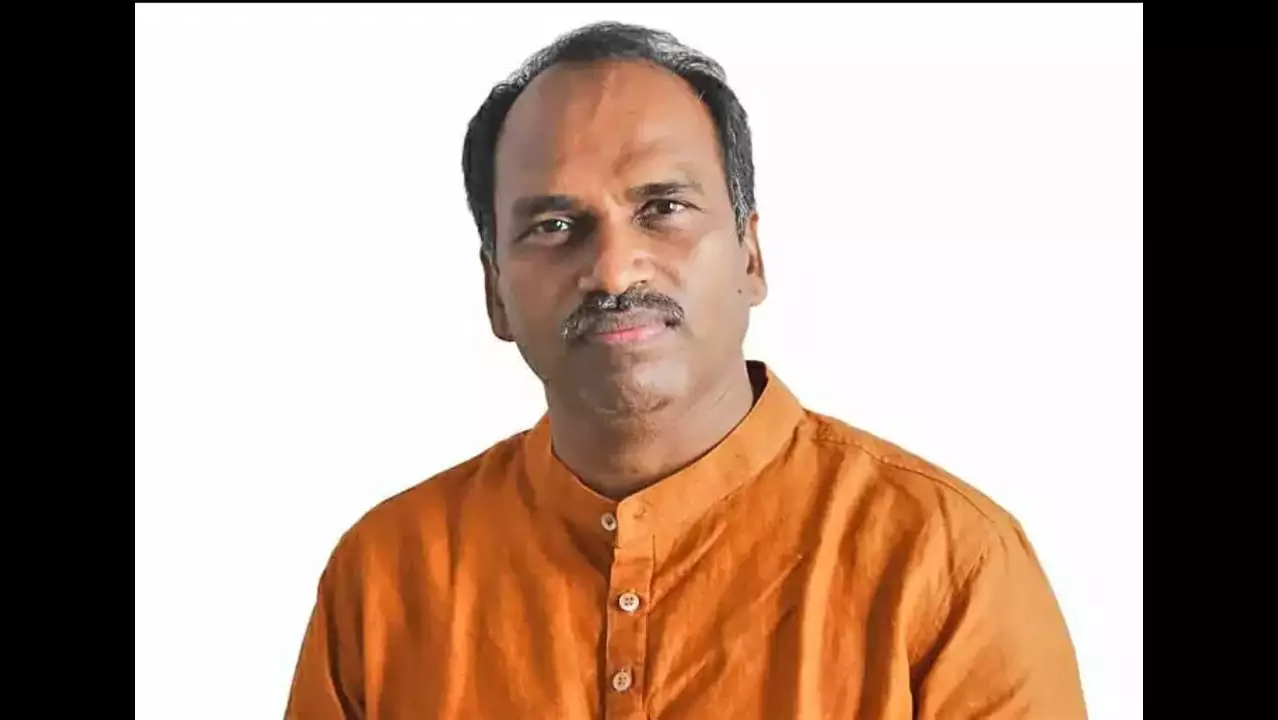

Udaipur, April 2, 2025 – Lok Sabha MP Mannalal Rawat has welcomed the inclusion of a provision in the Wakf (Amendment) Bill, 2024, which prohibits the declaration of Wakf properties in tribal areas notified under Schedule 5 and Schedule 6 of the Indian Constitution. The move, he said, is a critical step toward safeguarding tribal culture and constitutional rights.
Key Legislative Update: Wakf Declaration Barred in Tribal Zones
During the discussion on the Wakf (Amendment) Bill in the Lok Sabha, Union Minister for Minority Affairs Kiren Rijiju confirmed the addition of a new provision aimed at protecting tribal lands. He emphasized that no Wakf property can henceforth be created in tribal areas, as notified under the Constitution’s Schedules 5 and 6.
“It should not happen that people enter tribal areas and declare land as Wakf property. That goes against the interests of tribal communities,” Rijiju stated in Parliament.
MP Rawat’s Role in Shaping the Amendment
Mannalal Rawat had previously submitted a formal recommendation to the Joint Parliamentary Committee on the Wakf (Amendment) Bill, urging a legal safeguard to exclude Scheduled Areas from Wakf provisions.
In his letter, Rawat noted:
-
His parliamentary constituency falls within a notified Scheduled Area under the 5th Schedule.
-
The creation or expansion of religious structures such as cemeteries, mosques, shrines, and dargahs conflicts with the indigenous cultural fabric of tribal societies.
-
The presence of such Wakf-declared structures in these regions negatively impacts tribal life and Indian cultural identity.
He called for the amendment to uphold the spirit of the Constitution and ensure that Scheduled Areas remain culturally autonomous.
Cultural and Constitutional Context
The 5th and 6th Schedules of the Indian Constitution provide special governance frameworks to protect the rights, land, and customs of tribal populations. Rawat stressed that introducing Wakf properties in these areas contradicts the Indian way of life and erodes native traditions.
“Such provisions must be legally restricted to preserve the long-standing ethos of tribal regions,” said Rawat.

Bhupendra Singh Chundawat is a seasoned technology journalist with over 22 years of experience in the media industry. He specializes in covering the global technology landscape, with a deep focus on manufacturing trends and the geopolitical impact on tech companies. Currently serving as the Editor at Udaipur Kiran, his insights are shaped by decades of hands-on reporting and editorial leadership in the fast-evolving world of technology.