
Major Change in Ayushman Bharat Scheme

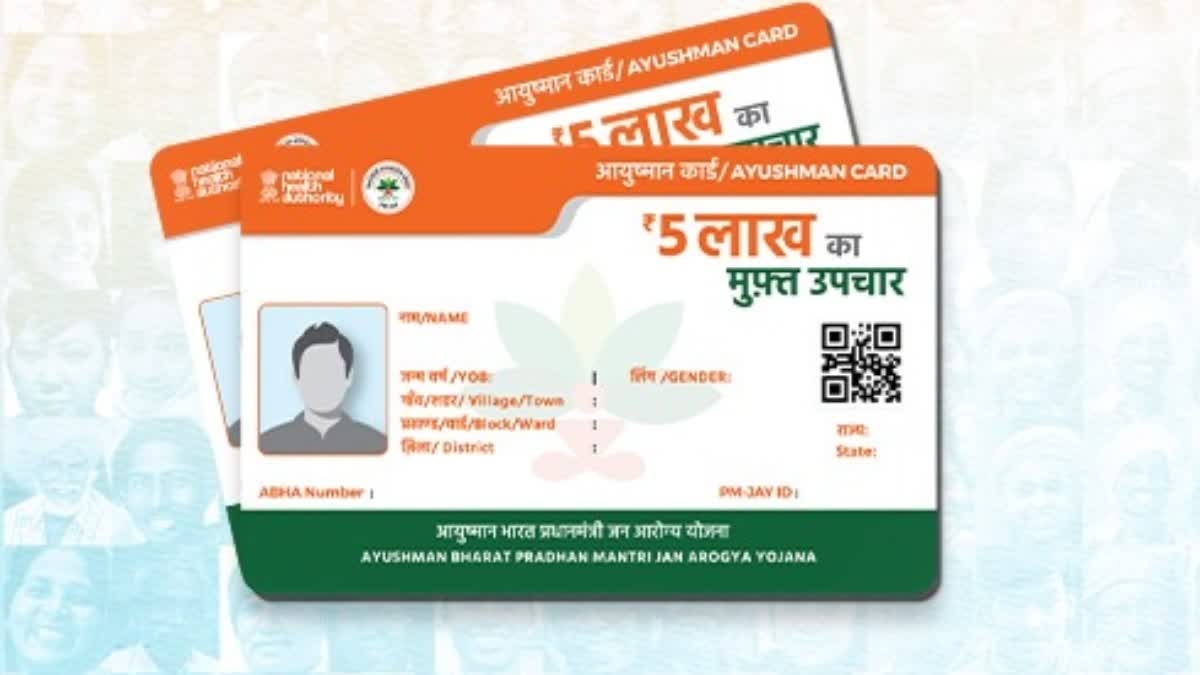
New Delhi, November 13: The Ayushman Bharat Scheme is undergoing significant changes, as it will now offer free treatment and surgeries for 112 diseases exclusively in government hospitals across the country. The National Health Authority has already reserved 23 packages for government facilities, and directives have been sent to state health authorities to reserve an additional 89 packages by December 1. However, states will have the discretion to decide whether to remove these packages from private hospitals.
Implementation Timeline
A letter from Dr. Shailesh, Deputy Secretary of the National Health Authority, has been sent to all state health authorities. It states that the new list of packages reserved for public health facilities will be implemented in the Transaction Management System (TMS) starting December 1, 2026. Several states have already partially implemented this system, and this move aims to standardize it at the national level.
State-Level Consultations
The Uttarakhand State Health Authority has been gathering suggestions through meetings with various hospitals and specialists. They have requested complete information on the treatments and procedures being offered under these packages. The packages cover diseases related to gynecology, general surgery, mental health, general medicine, orthopedics, ENT, and ophthalmology.
Goals of the Change
Experts suggest that the removal of these packages from private hospitals aims to reduce costs associated with private healthcare and strengthen government hospital facilities, directly benefiting patients. However, an assessment of the availability of doctors and resources in government hospitals is essential, which the State Health Authority is currently evaluating.
Patient Complaints Process
Patients will now need to pay for complaints related to improper treatment by doctors. Only complaints submitted on a ₹10 affidavit will be considered valid.
Partial Implementation in Various States
Several states, including Andhra Pradesh, Chandigarh, Chhattisgarh, Gujarat, Jammu and Kashmir, Kerala, Karnataka, Meghalaya, Manipur, Madhya Pradesh, Mizoram, Odisha, Punjab, Rajasthan, and Tamil Nadu, have previously implemented the reservation of several packages in government institutions. The National Health Authority has communicated to the states that a uniform implementation across the country is proposed to start from December 1, and states wishing to participate can grant approval.
List of Treatments Covered
The 112 packages include daycare treatments, surgeries, and other long-term treatments. Some of the high-risk conditions covered include high-risk deliveries, alcoholic liver disease, severe anemia, pancreatitis, acute bronchitis, hepatitis, mood disorders, stress management, malaria, chikungunya, diarrhea, biopsy, cysts, fistulas, MTP, hysterectomy, uterine surgeries, cataract surgeries, psychological behavior treatments, mental disorders, anxiety, ADHD, glaucoma screening, fractures, and ENT-related issues.