

Israeli President Appoints Gadi Eisenkot to Form Government, Challenging Netanyahu
Gadi Eisenkot has been tasked with forming a new government in Israel after elections resulted in a deadlock, marking a significant challenge to Netanyahu.

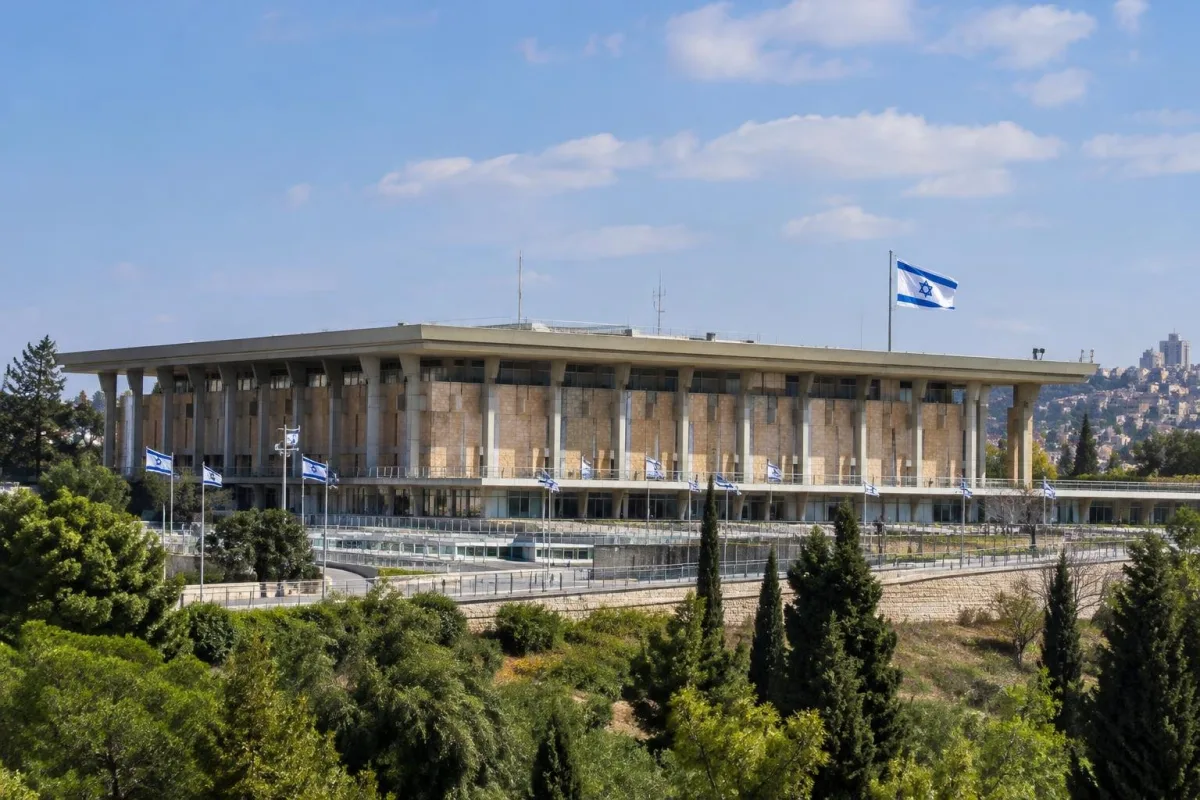
JERUSALEM, Nov 8: Israeli President Isaac Herzog selected Gadi Eisenkot to try to form a new government following a recent election that did not produce a clear majority. This is a setback for Prime Minister Benjamin Netanyahu, who is facing challenges to maintain his hold on power.
Eisenkot, the leader of the Yashar party and former military chief, must build a coalition within 28 days, with the option for a two-week extension. He has been endorsed primarily by Arab parties, frustrated by what they view as the racist policies of Netanyahu’s government.
After the October 27 elections, no party secured a majority in the Knesset, leading to a political stalemate. Likud, Netanyahu’s party, won 27 seats but his coalition totaled only 53, shy of the 61 needed for a majority. Eisenkot’s Yashar party holds 21 seats, making them the second largest.
Eisenkot’s chances of forming a stable government are uncertain. He is not inclined to align with Arab parties directly but may seek support from ultra-Orthodox groups and more right-wing elements of his opposition coalition. However, many analysts doubt that lasting partnerships can be formed with these factions.
“President Herzog has invited Gadi Eisenkot to the President’s Residence, where he will be tasked with forming the government tomorrow,” said a spokesperson for Herzog.
The political situation has become increasingly complicated for Eisenkot, who is seen as less adept at the underhanded maneuvering typical in Israeli politics compared to Netanyahu. His challenges include addressing issues such as settler violence against Palestinians and improving Israel’s strained international relations, particularly with the United States.
Historically, Eisenkot has faced personal tragedy connected to the ongoing conflict. His son and two nephews lost their lives in recent military confrontations. This has shaped his political persona, contrasting sharply with Netanyahu’s more polished image.
While Eisenkot’s leadership style is perceived as steady and principled, his ability to unify a fractured political system remains to be seen. As noted by analysts, Eisenkot’s approach might appeal to voters seeking normalcy and a government that applies rules fairly—to all citizens, including those in the Arab community.
If Eisenkot fails to form a government, the opportunity will pass to another candidate, potentially leading to another election if no consensus is achieved.
Sources

Bhupendra Singh Chundawat is a seasoned technology journalist with over 22 years of experience in the media industry. He specializes in covering the global technology landscape, with a deep focus on manufacturing trends and the geopolitical impact on tech companies. Currently serving as the Editor at Udaipur Kiran, his insights are shaped by decades of hands-on reporting and editorial leadership in the fast-evolving world of technology.