
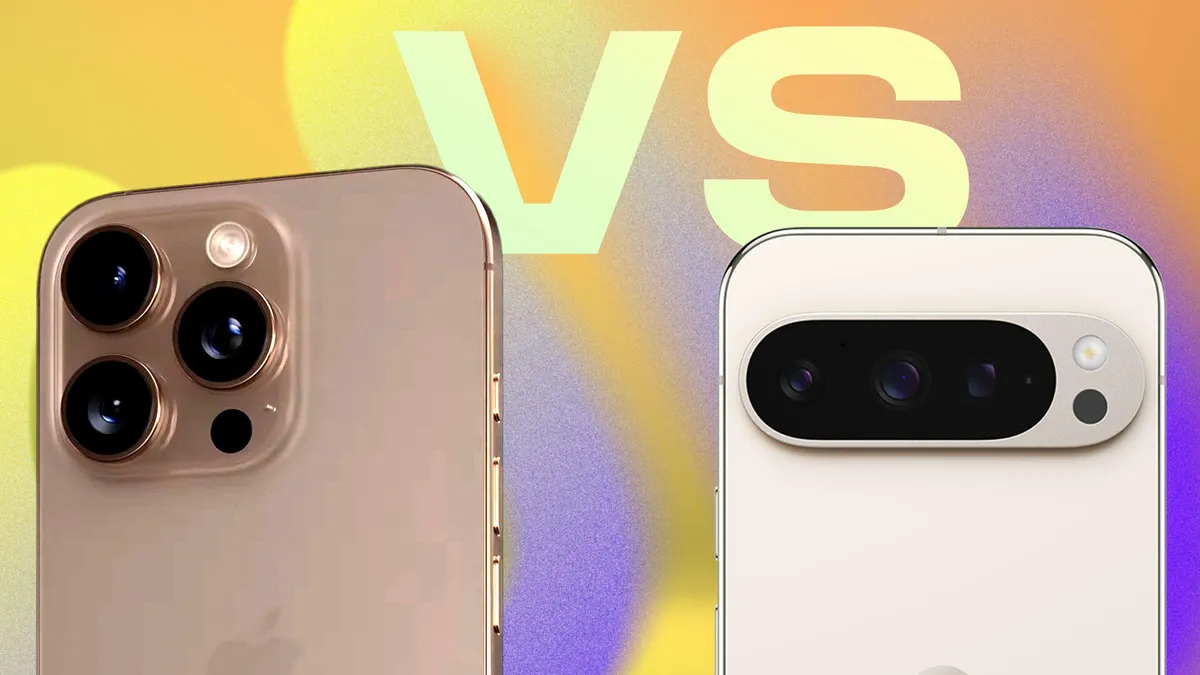
iPhone 16 Pro vs. Pixel 9 Pro: Camera Test Results Are In
With the release of the iPhone 16 Pro and Pixel 9 Pro, two of the smartphone market’s heavyweights have gone head-to-head in a battle of camera supremacy. Both devices are touted as the pinnacle of mobile photography, but after extensive testing, one clearly emerges as the leader.

Camera Specifications: More Than Just Numbers
The Pixel 9 Pro boasts higher megapixel counts for its primary, telephoto, and selfie cameras, as well as a wider field of view for its ultrawide lens. Yet, smartphone photography is about more than technical specs—real-world performance, software optimization, and image processing are what ultimately define the user experience.
Primary Camera Comparison: Scene by Scene
Scene 1: Pixar Pier Sign
- Pixel 9 Pro: Delivers vibrant colors, especially in the sign and sky.
- iPhone 16 Pro: Offers a darker image with superior detail retention, such as imperfections on the sign’s stars.
The Pixel appeals to casual viewers with its vibrancy, but the iPhone’s attention to detail gives it the edge for discerning users.
Scene 2: Port of San Fransokyo
- Pixel 9 Pro: Brightens shadowed areas but sacrifices contrast.
- iPhone 16 Pro: Focuses on accuracy, preserving water colors while producing a shadow-heavy image.
The Pixel wins on shadow detail, but the iPhone’s realism makes it better for capturing true-to-life scenes.
Specialized Photography Scenarios
Close-Up and Nature Photography
- Scene: Purple Prickly Pear Cactus
- Pixel 9 Pro: Struggles with accurate color rendering, particularly the cactus’s deep purple.
- iPhone 16 Pro: Captures richer purples, detailed soil textures, and crisp focus on pink blooms.
Winner: iPhone 16 Pro—Its vivid, natural representation shines in nature photography.
Food Photography
- Scene: Carnitas Burrito
- Pixel 9 Pro: Treats the chips as background, blurring parts of the image.
- iPhone 16 Pro: Keeps the entire plate in focus with lifelike colors, despite minor distortion in the green sauce.
For food photography, the iPhone’s consistency makes it the superior choice.
Handling Bright Colors and Reflective Surfaces
Scene 5: Coco Display
- Pixel 9 Pro: Captures vibrant flags and elements, with a slight oversaturation.
- iPhone 16 Pro: Warmer tones with effective color handling.
This scene comes down to personal preference, as both perform well.
Scene 6: Car Show
- Pixel 9 Pro: Oversaturates reflective surfaces, losing detail.
- iPhone 16 Pro: Maintains accurate colors and crisp details across surfaces and objects.
Winner: iPhone 16 Pro—Its control over reflective surfaces sets it apart.
What Makes the iPhone 16 Pro Superior?
- Detail Preservation: Consistently captures fine details, from textures to distant objects.
- Color Accuracy: Produces true-to-life colors, ideal for realistic photography.
- Dynamic Range: Excels in handling bright and dark areas without losing detail.
- Consistency: Delivers reliable results across a variety of scenarios.
Where the Pixel 9 Pro Shines
While the iPhone 16 Pro takes the overall lead, the Pixel 9 Pro isn’t far behind. Its strengths include:
- Vibrant Colors: Perfect for bold, eye-catching images.
- Bright Shadows: Effectively brings out details in darker areas.
- Wide Field of View: Ideal for group photos and landscapes.
The Role of Image Processing
Apple’s custom silicon and advanced image processing software give the iPhone 16 Pro an edge. While the Pixel’s specs may seem superior on paper, its hardware potential isn’t fully realized in real-world scenarios, where Apple’s optimization shines through.
Choosing the Right Phone
Your choice between the iPhone 16 Pro and Pixel 9 Pro depends on your priorities:
- For Accurate Photography: Choose the iPhone for its color fidelity, detail preservation, and versatility.
- For Vibrant Images: Opt for the Pixel if you love punchy, saturated photos.
- For Specific Features: Explore each phone’s unique camera app options to see which aligns with your needs.

Bhupendra Singh Chundawat is a seasoned technology journalist with over 22 years of experience in the media industry. He specializes in covering the global technology landscape, with a deep focus on manufacturing trends and the geopolitical impact on tech companies. Currently serving as the Editor at Udaipur Kiran, his insights are shaped by decades of hands-on reporting and editorial leadership in the fast-evolving world of technology.