India Revamps Anti-Terror Strategy to Preempt Attacks
India shifts its anti-terror strategy to focus on preemptively dismantling terrorist modules based on intelligence, rather than responding post-attack.
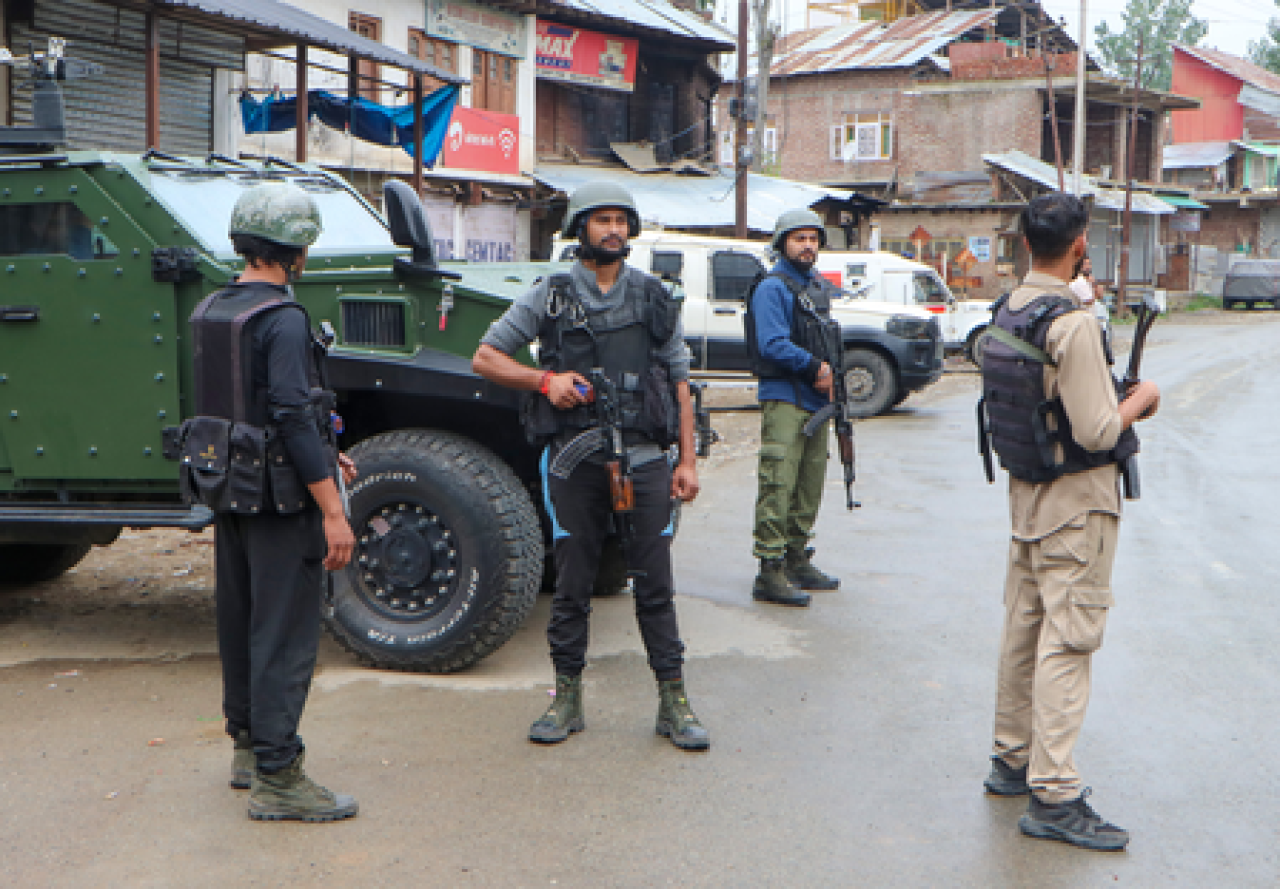

New Delhi, September 19 (Udaipur Kiran) : India’s approach to combating terrorism has undergone a significant transformation, emphasizing preemptive measures over reactive responses. Instead of waiting for attacks to occur, the government is now prioritizing the identification and neutralization of terrorist modules based on intelligence inputs.
The Narendra Modi administration has adopted a zero-tolerance policy towards terrorism, leading to a major overhaul in the security apparatus responsible for handling terrorism-related incidents. Officials have stated that the focus is now on detecting threats early and neutralizing them before they can escalate into actual attacks.
A government official noted that recent events related to terrorism indicate that the national anti-terrorism strategy, dubbed ‘Prahaar’, which was launched in February this year, is beginning to show results. Agencies have been instructed to act promptly without waiting for incidents to unfold.
The Intelligence Bureau (IB) has reported that this strategy is being implemented nationwide, particularly in Jammu and Kashmir. The Inter-Services Intelligence (ISI) has been attempting to orchestrate major attacks in the region by activating its overground worker network and facilitating infiltration. However, the new strategy has significantly hampered these efforts.
In recent months, security agencies in Jammu and Kashmir have successfully neutralized several terrorists and dismantled various modules, preventing the activation of overground worker networks. This proactive approach has made it considerably more difficult for the ISI to plan and execute attacks.
Another official pointed out that while terrorist attacks are a serious concern, the larger challenge lies in the spread of radicalization, which is not confined to a single region but is pervasive across different states such as Maharashtra, Andhra Pradesh, Telangana, Bihar, Delhi, Rajasthan, West Bengal, and Kerala.
The Islamic State has notably focused on spreading radical ideologies and has been effective in influencing the youth. Security agencies have acted swiftly to dismantle emerging radical modules, as evidenced by the recent busting of a radical network in Andhra Pradesh that was on the verge of becoming a significant threat.
Authorities have emphasized that they will not wait for terrorist modules to grow larger before taking action. If actionable intelligence is available, agencies are now quick to dismantle these networks to prevent future threats.
Similar actions have been observed in Gujarat, where a module linked to Jaish-e-Mohammed was neutralized, leading to the recovery of a substantial amount of extremist material. This module had become a serious threat, but timely intervention prevented further escalation.
The strategy has also been applied in Bangladesh, where efforts to counter terrorism and radicalization have been met with success, thwarting several attempts by organizations like Harakat-ul-Jihad al-Islami and Jamaat-ul-Mujahideen Bangladesh, which were targeting West Bengal and northeastern states.
According to officials, this shift in strategy marks a critical change in India’s approach to counter-terrorism and counter-radicalization. The focus on proactive measures through ‘Prahaar’ aims to ensure better coordination among intelligence agencies, state police, and central forces.

My name is Kuldeep Singh Chundawat. I am an experienced content writer with several years of expertise in the field. Currently, I contribute to Daily Kiran, creating engaging and informative content across a variety of categories including technology, health, travel, education, and automobiles. My goal is to deliver accurate, insightful, and captivating information through my words to help readers stay informed and empowered.