

Expats Return to Israel to Vote Against Netanyahu in Crucial Election
Israeli expats are flying home in significant numbers to participate in the upcoming election against Prime Minister Netanyahu, amid national tensions and a historic context.

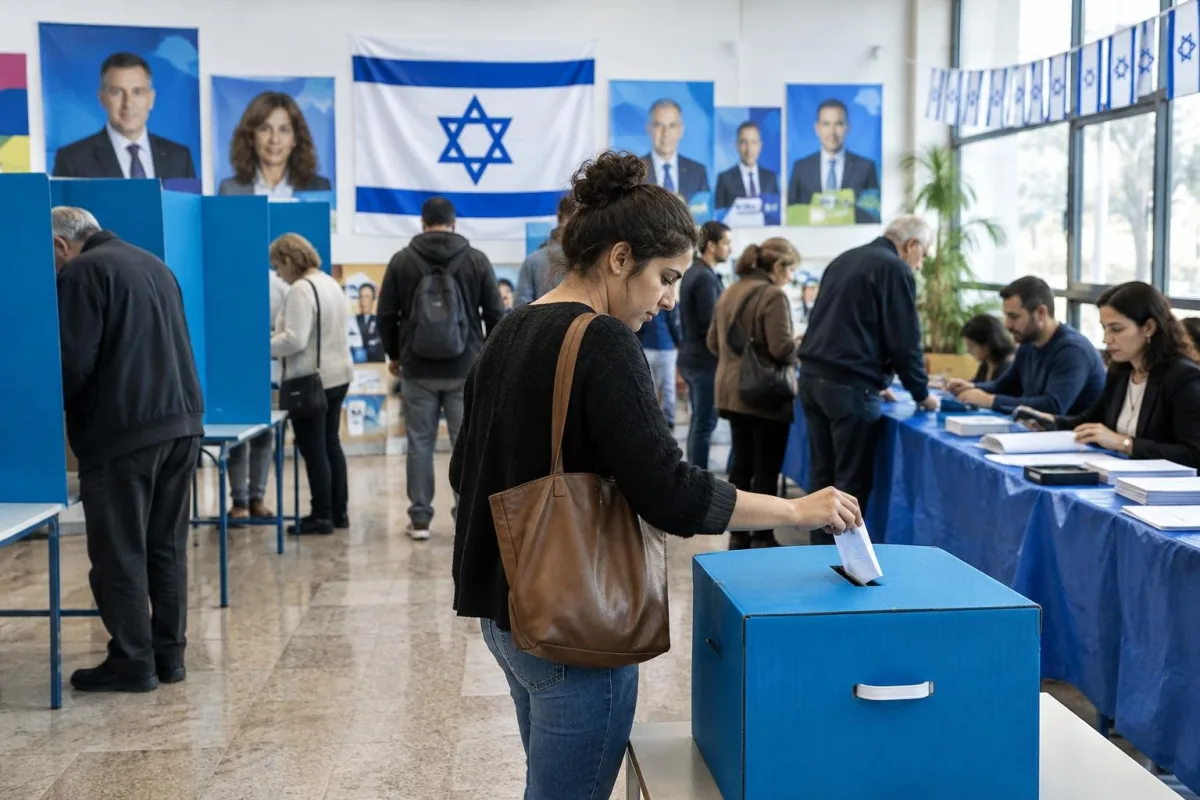
Israeli citizens living abroad are returning in droves to vote in an election that could unseat Prime Minister Benjamin Netanyahu. Reports indicate that around 70,000 Israelis have traveled from overseas for this purpose, amidst intense political division.
Polling results show a nearly equal split between Netanyahu’s coalition and the main opposition bloc, led by Gadi Eisenkot of the centrist Yashar party. The elections are set for October 27, and the stakes are high, with many voters viewing this as a critical moment for the country’s future.
Leading up to the election, large gatherings of opposition supporters have taken place, particularly in central Tel Aviv, with many expressing a desire for change. One young voter, Omri, shared, “We’re optimistic… I want peace, I want security, and I want to end corruption.” Such sentiments resonate with many who feel disillusioned by the long-standing leadership.
Eisenkot, a former military chief known for his calm demeanor, has gained traction with voters, positioning himself as a contrast to Netanyahu’s aggressive style. He has emphasized issues such as security, economy, and the identity of Israel, appealing to a broad spectrum of voters.
However, Netanyahu is heavily campaigning on security, asserting that he is the only leader capable of protecting Israel. He has consistently portrayed his opponents as weak on defense, appealing to right-wing supporters who fear potential alliances between opposition parties and Arab factions.
As the election period progresses, various strategies have emerged from both sides, including the use of AI-generated campaign content aimed at capturing attention. The contentious political atmosphere has led to increased tensions, particularly following last year’s severe attacks that left thousands dead and changed the country’s security situation.
The implications of this election extend beyond immediate political power; many analysts argue that the results will reflect deeper societal divisions and attitudes toward ongoing issues, particularly regarding Palestinians and the West Bank.
Despite expectations that a change in leadership could bring new policies regarding Palestine, experts caution that both blocs exhibit similar stances on key issues. Many believe that, regardless of who wins, substantive change may not come without external pressure.
“The question then is what kind of a society overwhelmingly votes for politicians who openly speak about their desire to commit war crimes?” Al Jazeera commented on the underlying societal issues influencing voter behavior.
As election day approaches, both camps are aware that every vote counts, with rising numbers of young voters poised to impact the outcome.

Bhupendra Singh Chundawat is a seasoned technology journalist with over 22 years of experience in the media industry. He specializes in covering the global technology landscape, with a deep focus on manufacturing trends and the geopolitical impact on tech companies. Currently serving as the Editor at Udaipur Kiran, his insights are shaped by decades of hands-on reporting and editorial leadership in the fast-evolving world of technology.