

Apple Secures Patent for Advanced Hinge Design in Foldable Devices
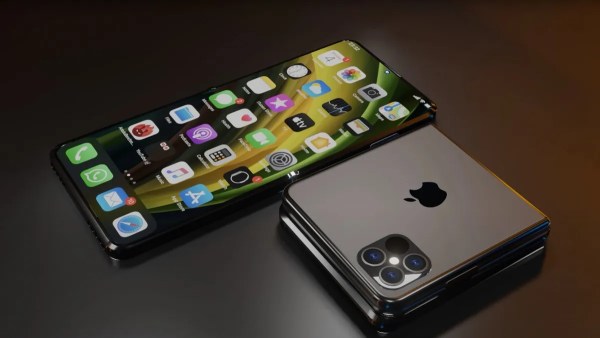

Apple’s slow march into the foldable device market took another step forward today with the issuance of a new patent, US 12,164,344, titled “Hinges for Folding Display Devices.” While the tech giant has yet to debut a foldable product, this patent underscores its continued focus on creating innovative solutions to meet the demands of this challenging design category.
A Revolutionary Approach to Hinges
At the heart of Apple’s latest patent is a sophisticated hinge mechanism comprising a series of interconnected links crafted from interlinked “fingers” and a friction clutch. What sets this design apart is the use of crescent-shaped slots that allow the axis of rotation to move outside the hinge link itself. This detail is crucial for ensuring smoother and more reliable folding and unfolding motions.
The patent outlines how these interconnected components—fingers, pins, and gears—work together to create a precisely engineered clutch mechanism. This clutch provides the desired level of friction, enabling the device to hold steady at various folding angles while maintaining durability. The addition of gears ensures that both sides of the hinge rotate evenly, addressing a common challenge in foldable device design.
Versatile Applications Across Devices
Apple’s new hinge design is described with broad potential applications, from foldable smartphones and tablets to laptops, wearable devices, and beyond. This language suggests that Apple is casting a wide net, potentially future-proofing its innovations for a variety of devices in its ecosystem.
While it remains unclear if this hinge represents an improvement over previous Apple patents or will coexist with them in different applications, the level of detail in the filing indicates Apple’s commitment to solving the technical hurdles that have plagued the foldable device market.
The Challenges of Folding Technology
Despite years of patents and speculation, Apple has yet to release its first foldable device. Analysts, including the renowned Ming-Chi Kuo, have repeatedly pointed to technical challenges as a significant hurdle. These include the development of foldable displays that meet Apple’s exacting standards for durability and performance, as well as the creation of mechanical components like the hinge that can withstand years of daily use without compromising on aesthetics or functionality.
Apple has reportedly explored several designs, including a flip-style iPhone and larger iPad or MacBook foldables. However, the company appears intent on perfecting the underlying technology before bringing a product to market—an approach consistent with its history of entering new categories only after refining the user experience.
A Glimpse Into Apple’s Foldable Future
While other tech giants like Samsung and Huawei have already established themselves in the foldable space, Apple seems determined to take its time, prioritizing innovation and quality over rushing to market. This latest patent is a testament to that philosophy, demonstrating a methodical approach to addressing the complexities of foldable technology.
Whether this hinge design will appear in a future iPhone, iPad, or even a MacBook, one thing is certain: Apple is laying the groundwork for foldable devices that are as functional and elegant as its traditional offerings.
With the foldable market maturing and consumer interest growing, the stage is set for Apple to make a significant impact—when the time is right. Until then, patents like this give us an exciting glimpse into what the future might hold.

My name is Kuldeep Singh Chundawat. I am an experienced content writer with several years of expertise in the field. Currently, I contribute to Daily Kiran, creating engaging and informative content across a variety of categories including technology, health, travel, education, and automobiles. My goal is to deliver accurate, insightful, and captivating information through my words to help readers stay informed and empowered.