

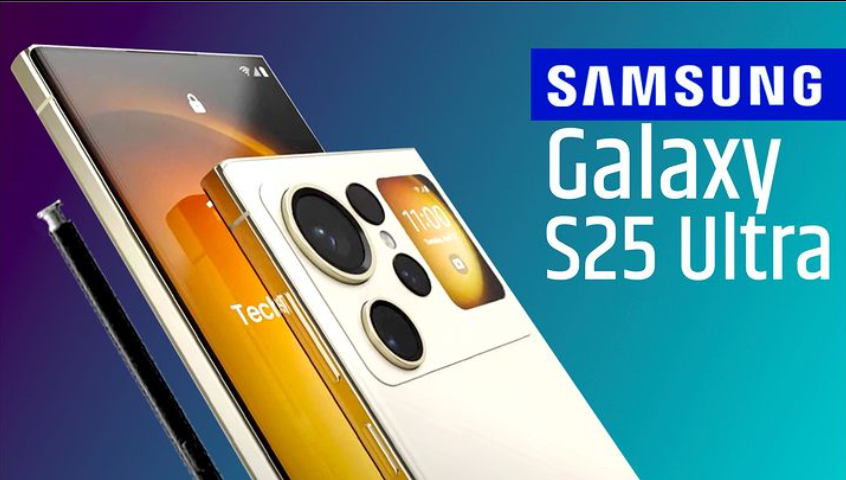
Samsung’s next-generation flagship, the Galaxy S25 Ultra, is still a few months away, but rumors about its specifications are already hitting the internet. A leaker recently suggested that the premium S series phones will come with UFS 4.1 storage.
The running Galaxy S24 Ultra comes with UFS 4.0 flash storage. The Galaxy S25 Ultra is expected to be powered by the Snapdragon 8 Gen 4 SoC. It might get a 200-megapixel quad rear camera.
Sawyer Galox (@Sawyergalox) on X stated that the Galaxy S25 Ultra will have UFS 4.1 storage with 8GB/s data transfer speeds. This could be a slight improvement over the Galaxy S24 Ultra’s UFS 4.0 flash storage, which offers 4GB/s data transfer speeds.

It’s unclear whether the Galaxy S25 and Galaxy S25+ will feature the same UFS 4.1 storage, or whether the flagship Galaxy 25 Ultra will feature next-generation flash storage. The more advanced UFS 5.0 storage is expected to be available by 2027.
This year, Samsung has included UFS 4.0 storage in all Galaxy S24 series smartphones, except for the 128GB version. The standard Galaxy S24 comes with 128GB of UFS 3.1 storage. So, expect the brand to follow this practice with the next Galaxy S series. The Galaxy S25 Ultra is said to already have 16GB of RAM and 512GB and 1TB storage options.
Rumors about the Galaxy S25 Ultra are already circulating on the Internet. It will reportedly feature four rear cameras led by a 200-megapixel primary camera. The camera system includes a 50-megapixel sensor with 5x optical zoom, a 50-megapixel ultra-wide-angle camera and a 50-megapixel telephoto lens with 3x optical zoom. It is expected to be powered by the next generation Snapdragon 8 Gen 4 processor.
The Galaxy S24 Ultra was launched in January at an introductory price. 1,29,999 for the 12GB RAM + 256GB storage variant.

Bhupendra Singh Chundawat is a seasoned technology journalist with over 22 years of experience in the media industry. He specializes in covering the global technology landscape, with a deep focus on manufacturing trends and the geopolitical impact on tech companies. Currently serving as the Editor at Udaipur Kiran, his insights are shaped by decades of hands-on reporting and editorial leadership in the fast-evolving world of technology.