

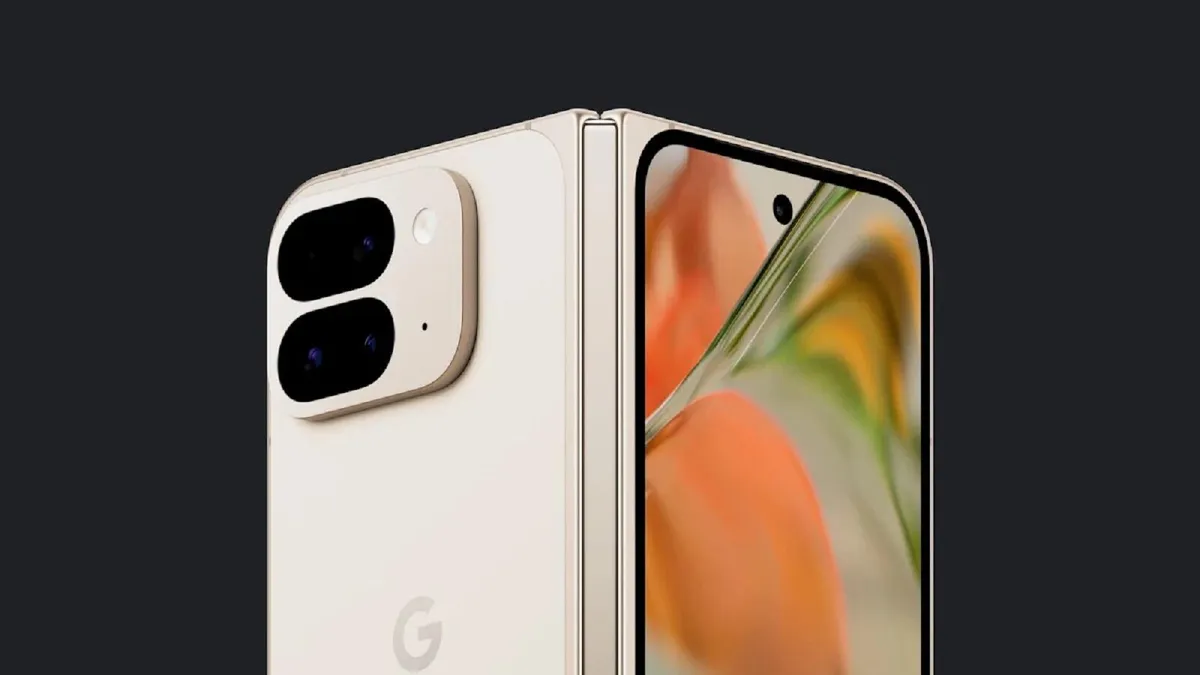

The Google Pixel 9 series was announced at the company’s annual Made by Google event earlier this week. The vanilla Pixel 9 features an Actua OLED display, while the Pixel 9 Pro and Pixel 9 Pro XL models have an LTPO Super Actua display. However, a recent list of smartphones on the Pixel support site shows that the display quality and connectivity features of the Pixel 9 models vary depending on the market. The Indian versions of Pixel 9 Pro and Pro XL are listed with non-LTPO displays.
As seen on GSMArena’s Pixel support page, the Pixel 9 Pro and Pixel 9 Pro XL for India, Malaysia and Singapore have different displays compared to other models in other parts of the world. The Pixel 9 Pro smartphones in these regions will have an Actua display instead of an ultra-realistic display (LTPO). Particle for direct object
However, at the time of writing, Google has revised the display variant of the Pixel 9 Pro and Pixel 9 Pro XL to the Super Actua display for the India, Malaysia and Singapore markets.
Additionally, there are differences in Wi-Fi performance between Pixel 9 Pro and Pixel 9 Pro XL depending on region. According to a screenshot of the listing shared by the publication, the Pixel 9 Pro devices sold in India do not support Wi-Fi 7. However, this is because Indian regulators do not allow Wi-Fi 7. The phone is likely to feature hardware and full Wi-Fi 7 support should be available via a software update once Indian regulators give the green light. Particle for direct object
Pixel 9 screen specifications
The Pixel 9 Pro features a 6.3-inch (1280 x 2856 pixels) Super Actua (LTPO) OLED display with a pixel density of 495ppi, maximum brightness of up to 3000 nits and a variable refresh rate of 1Hz to 120 Hz. The Pixel 9 Pro XL features a large 6.8-inch (1344 x 2992 pixels) SuperActua (LTPO) OLED display with a pixel density of 486 ppi, a refresh rate of up to 120 Hz and a maximum brightness of up to 3000 Nits. The Pixel 9, on the other hand, has a 6.3-inch (1080 x 2424 pixels) Actua OLED display with a pixel density of 422 ppi, a maximum brightness of up to 2700 nits and a refresh rate of 60 Hz to 120 Hz.
All three phones feature Corning Gorilla Glass Victus 2 protection and are powered by a Tensor G4 SoC and a Titan M2 security processor.

Bhupendra Singh Chundawat is a seasoned technology journalist with over 22 years of experience in the media industry. He specializes in covering the global technology landscape, with a deep focus on manufacturing trends and the geopolitical impact on tech companies. Currently serving as the Editor at Udaipur Kiran, his insights are shaped by decades of hands-on reporting and editorial leadership in the fast-evolving world of technology.