Infinix Note 40 Pro+ 5G, Infinix Note 40 Pro 5G India Launch Date Set for April 12
Infinix Note 40 Pro+ 5G and Infinix Note 40 Pro 5G with MediaTek Dimensity 7020 SoC were launched in select global markets in March. Infinix India has now confirmed that the mid-range models will be launched in India next week. The new lineup includes the Cheetah X1 power management chip and a triple rear camera with a 108-megapixel primary sensor. The Infinix Note 40 Pro 5G series will be sold through Flipkart in the country.
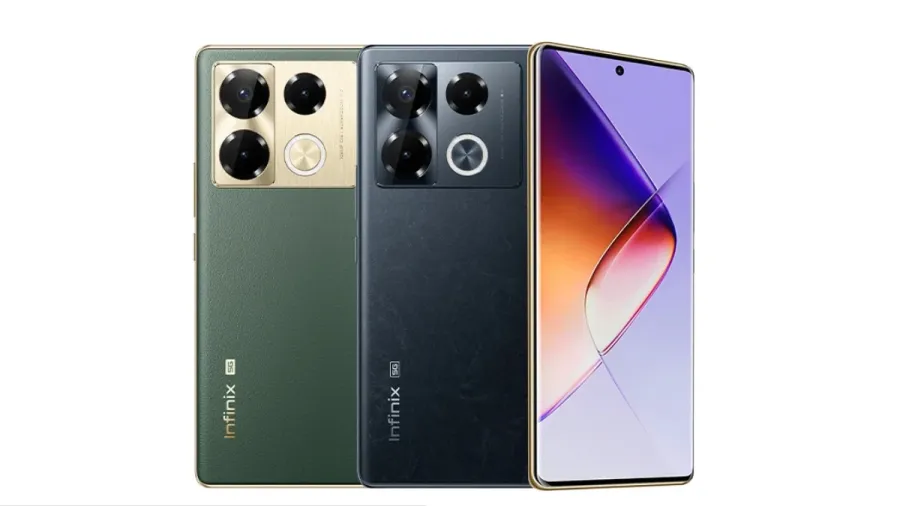

The Infinix Note 40 Pro+ 5G and Infinix Note 40 Pro 5G will launch in India on April 12, the company confirmed during a media conference call on Thursday (April 4). Both the phones will be available through Flipkart and our leading retail partners. Flipkart launched a dedicated microsite on its website to announce the arrival of the new phones. It is yet to be seen if the vanilla Infinix Note 40 will join the other two models in India.
The key features of the Infinix Note 40 Pro 5G series are the batteries and the fast charging speed. They are equipped with X1 Cheetah for better battery life and power management. The array also offers different charging methods. The Infinix Note 40 Pro 5G is powered by a 5000mAh battery with 45W charging, while the Infinix Note 40 Pro+ 5G is powered by a 4600mAh battery with 100W charging. The series also supports 20W MagCharge wireless charging.
As mentioned earlier, the Infinix Note 40 Pro+ 5G and Infinix Note 40 Pro 5G were launched last month in select global markets for $309 (roughly Rs. 25,000) and $289 (roughly Rs. 24,000) respectively.
Both the Infinix Note 40 Pro+ 5G and the Infinix Note 40 Pro 5G run Android 14 XOS 14 and feature a 6.78-inch Full HD+ (1080 x 2436 pixels) curved AMOLED display with 120Hz dynamic refresh rate. 6nm MediaTek Dimensity 7020 SoC and a triple rear camera setup led by a 108MP primary sensor. There is a 32 megapixel camera on the front.

Bhupendra Singh Chundawat is a seasoned technology journalist with over 22 years of experience in the media industry. He specializes in covering the global technology landscape, with a deep focus on manufacturing trends and the geopolitical impact on tech companies. Currently serving as the Editor at Udaipur Kiran, his insights are shaped by decades of hands-on reporting and editorial leadership in the fast-evolving world of technology.